
🔴 Live Flood Status
Checking current Puyallup River conditions for Puyallup, Orting, and Sumner…
How to Prevent Mold After Crawlspace Flooding in Puyallup
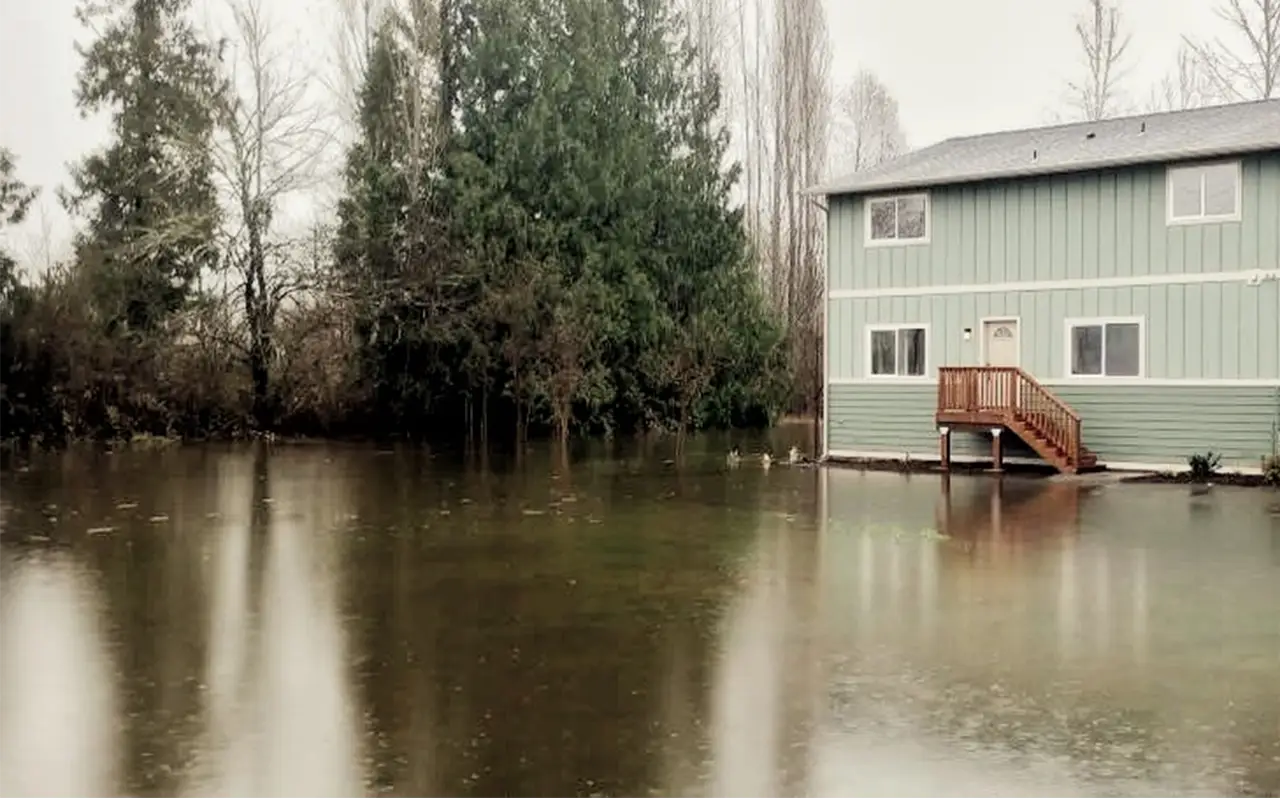
Crawlspace mold after flooding can develop quickly when moisture remains trapped under a home and materials do not dry properly.
After heavy rain or groundwater intrusion, one of the biggest risks homeowners face is mold growth. In many cases, mold begins developing before visible damage appears inside the home. This is why knowing how to prevent mold after crawlspace flooding Puyallup homeowners and nearby communities experience is critical in the days following a flood.
Crawlspaces are especially vulnerable because moisture can become trapped under the home. Wet soil, limited airflow, and organic materials like wood framing and insulation create ideal conditions for mold to spread. Even when standing water recedes, elevated humidity levels can remain and continue feeding mold growth out of sight.
Homes across the Puyallup River and White River valleys—including Orting, Sumner, Auburn, and other low-lying areas—often experience similar post-flood moisture conditions. Early action after crawlspace flooding helps reduce long-term damage, protect indoor air quality, and limit repair needs later.
How Mold Develops After Crawlspace Flooding
Mold growth begins when moisture remains in contact with organic materials for an extended period of time. After flooding, crawlspaces often stay damp even when surface water disappears. This combination of moisture, limited airflow, and wood-based materials creates ideal conditions for mold after flooding to develop under a home.
The most critical window occurs within the first 24 to 72 hours. During this time, elevated humidity levels allow mold spores to activate and spread. Homes with saturated soil, blocked vents, or poor drainage are especially vulnerable, which is why crawlspace mold Puyallup and surrounding valley communities experience is a common issue following heavy rain.
Another factor is hidden moisture. Water absorbed into soil, insulation, and framing can remain trapped below the home long after flooding appears to stop. Without proper crawlspace moisture control, these damp conditions can persist and continue feeding mold growth in areas that are difficult to access or inspect.
Because mold often develops out of sight, homeowners may not realize there is a problem until odors, insulation damage, or indoor air quality issues appear. In the next section, we’ll cover the early warning signs that mold may already be forming beneath the home.
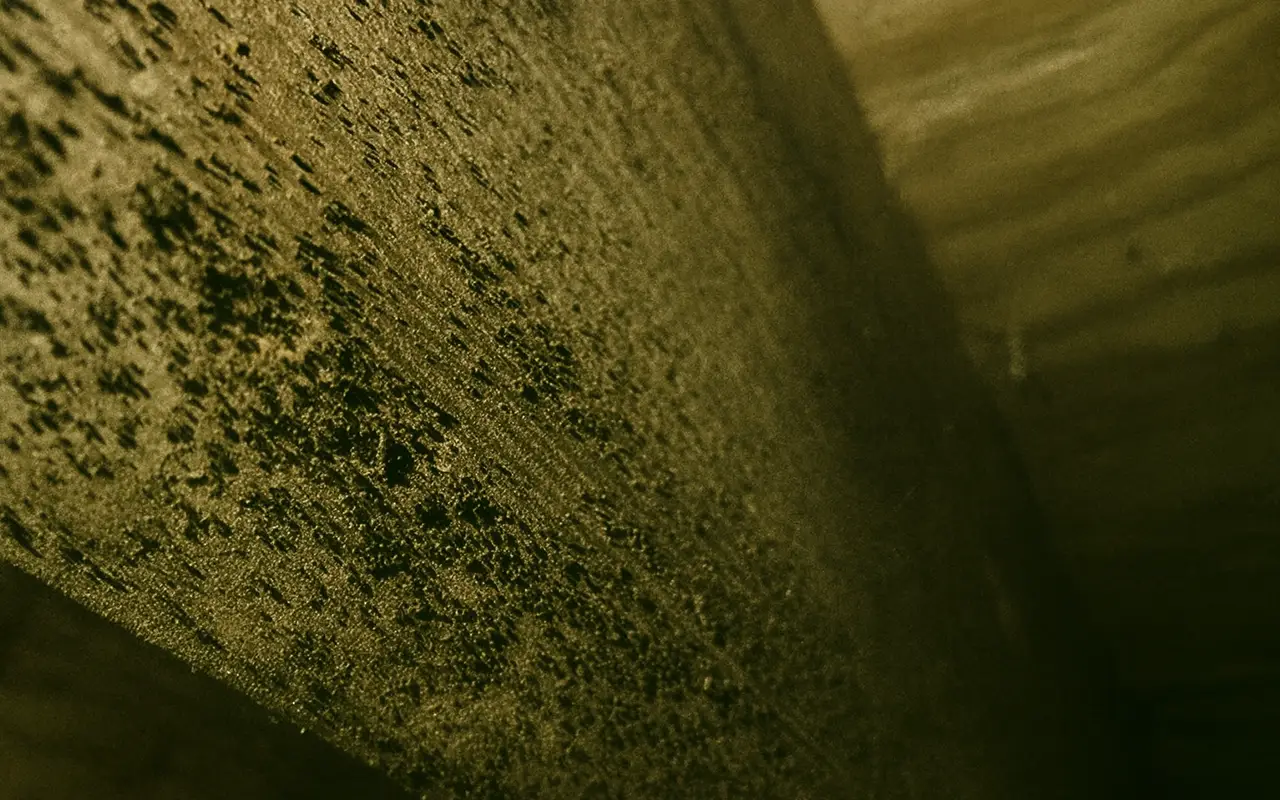
Water under the house?
Signs Mold May Be Developing Under the Home
Mold growth in a crawlspace often begins quietly, without obvious warning signs inside the home. Because crawlspaces are hidden and poorly ventilated, moisture problems can persist for weeks before they are noticed.
One of the earliest indicators is odor. A persistent musty smell coming from floors, closets, or HVAC vents may signal moisture buildup beneath the home. These odors often become stronger after rain or during periods of high humidity.
Visible condensation is another warning sign. Moisture forming on plumbing lines, ductwork, or framing suggests elevated humidity levels under the home. Over time, this moisture can soak into nearby materials and create conditions favorable for mold growth.
Wet or sagging insulation is also a common sign. Insulation that has absorbed water may appear compressed, discolored, or falling away from the subfloor. Damp wood framing or dark staining on joists can indicate prolonged exposure to moisture.
In some cases, homeowners may notice mild health-related symptoms such as increased allergy irritation or respiratory discomfort while indoors. While these symptoms can have many causes, persistent moisture below the home can contribute to poor indoor air quality.
Recognizing these signs early is important. In the next section, we’ll explain what homeowners can do immediately to reduce moisture and help prevent mold from spreading after crawlspace flooding.
How to Prevent Mold After Crawlspace Flooding Puyallup Homes Experience
The most important step after crawlspace flooding is reducing moisture as quickly as possible. Mold prevention starts with limiting how long damp conditions remain under the home. Even when standing water has drained away, moisture trapped in soil, insulation, and framing can continue feeding mold growth.
Improving airflow is often the first action homeowners can take. Opening crawlspace access points, clearing blocked vents, and allowing fresh air to circulate helps lower humidity levels. When weather permits, temporary ventilation can assist with initial drying, especially during the first few days after flooding.
Removing water-damaged materials is another critical step. Insulation that has absorbed moisture can hold water against wood framing and should be evaluated promptly. Damp vapor barriers or debris on the crawlspace floor can also trap moisture and slow the drying process.
It is equally important to understand what not to do. Relying on fans alone without addressing trapped moisture can spread mold spores rather than stop growth. Sealing vents or encapsulating a crawlspace before it is fully dry can lock moisture in and worsen long-term conditions.
Because every crawlspace is different, early assessment helps determine whether drying efforts are sufficient or if additional moisture control measures are needed. In the next section, we’ll explain when it makes sense to request a professional inspection and why timing matters.

Have You Checked Your Crawloroom?
When to Call for a Crawlspace Inspection
In some situations, homeowner steps may not be enough to fully resolve moisture issues. When water has entered the crawlspace, materials below the home can remain damp long after visible flooding stops. This is why preventing mold after crawlspace flooding Puyallup homeowners and nearby communities experience often depends on early inspection and proper moisture evaluation.
If insulation remains wet, odors continue, or humidity stays high under the home, it is a strong indicator that moisture is still present. Professional inspection helps determine whether materials can safely dry or if removal and targeted repairs are needed to prevent future problems.
Homes affected by flooding may also require a broader assessment beyond the crawlspace. For a complete overview of recovery and repair considerations, visit our
water damage repair services page, which explains how moisture issues can impact different parts of the home after flooding.
Homeowners should also stay informed about local flood conditions and safety guidance during and after heavy rain events. Official updates and preparedness information are available through
Pierce County emergency services.
Addressing moisture early helps protect indoor air quality, structural materials, and long-term home value. Taking action before mold spreads can significantly reduce the scope of repairs needed later.

Crawlspace Mold After Flooding?
Frequently Asked Questions






Leave A Comment