
Good to know / Crawlspace moisture
Crawlspace Mold After Flooding: What to Check and How to Prevent It
Crawlspace mold after flooding is a moisture problem first. The useful question is not simply whether water has disappeared, but whether the framing, insulation, soil surface and enclosed air have actually dried. This guide explains what to do safely, what deserves a professional assessment and what to change before the next wet season.
Flood conditions change by location and hour. Use Pierce County flood information and the National Weather Service river gauge for current updates; this article is guidance, not a live flood alert.
A dry-looking house can still hold water underneath
In December 2025, Pierce County declared an emergency ahead of flooding, high winds and landslides. The event is a reminder to inspect below the living space after prolonged rain or nearby flooding, even when the rooms above look normal. It does not mean every Puyallup crawlspace flooded, and a river reading alone cannot tell you what is happening beneath your home.
After a storm, compare photographs of the crawlspace entrance, low points and exposed framing with earlier photos if you have them. Record where water entered and whether the same spot becomes wet after the next rain. That pattern is more useful for prevention than a generic claim that every home needs the same product.
Do not enter a wet crawlspace until the hazards are assessed
If water is near wiring or equipment, if sewage may be involved, or if the space is too tight to enter safely, stay out and arrange qualified help. Do not operate a wet electrical system or use ordinary household fans in contaminated floodwater. Document visible conditions from a safe access point and contact an emergency water-removal and drying provider while the source is being corrected.
EPA guidance for a flooded home says to dry wet materials within 24 to 48 hours when possible; if materials cannot be dried in that window, mold becomes a serious concern. That is a target for early action, not a promise that a crawlspace will be ready to rebuild in two days. Drying should be measured, not judged by smell alone.
Look beyond visible spots on the wood
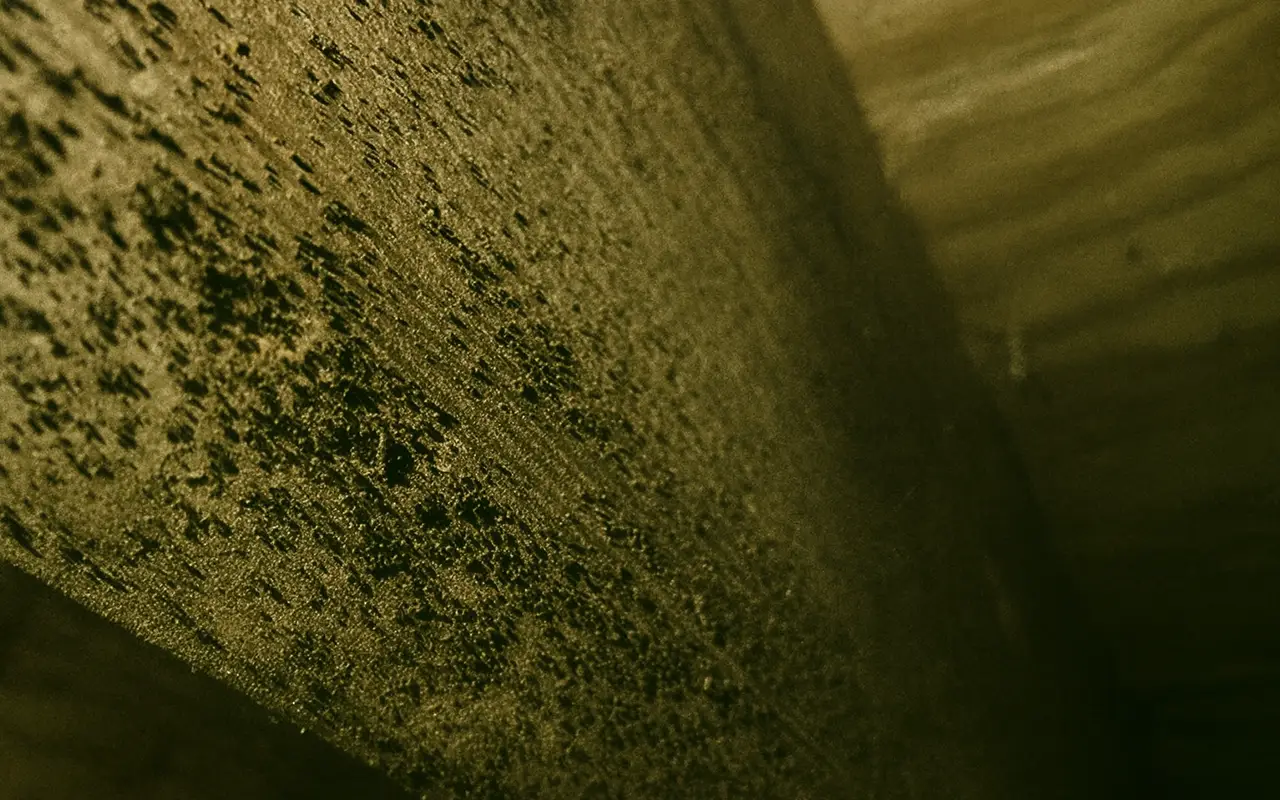
An assessment should identify standing water, damp soil or vapor barrier, wet insulation, stained subflooring, soft or deteriorated wood, and any persistent musty odor. Photograph each condition before material is moved. A stain can have several causes, so do not label every dark mark as mold without evaluating moisture and the material.
Wet insulation can retain water against framing. A replacement decision depends on contamination, drying potential and the condition of adjoining materials. The important sequence is source correction, removal or cleaning of affected material as appropriate, verified drying, then repair. Sealing a wet cavity behind new finishes can hide the problem rather than solve it.
Use the water path to plan prevention
Once the crawlspace is dry, inspect gutters and downspouts, where discharge goes, grading beside the foundation, vents and openings, and any existing drain or sump system. Move stored belongings off the crawlspace floor and keep a dated photo record of the access area. The right drainage fix depends on the site; a pump alone will not correct every exterior water path.
Before the next storm, sign up for local alerts through Pierce County’s river-flooding resources, know who can respond to active water, and keep mitigation records with your insurance documents. A seasonal check is especially useful after a prior intrusion: it lets you see whether the repair addressed the source or merely dried the last event.
When prevention becomes reconstruction
If floodwater damaged framing, subflooring, flooring or adjoining rooms, reconstruction belongs after mitigation and structural drying. Bezruchuk Inc.’s water-damage reconstruction service explains that handoff and the types of interior work the company rebuilds. Our Bellevue basement restoration project shows a completed multi-room rebuild following water damage; it is an example of our construction work, not evidence that a particular Puyallup crawlspace had the same conditions.
For the immediate water-entry question, see our guide to crawlspace flooding in Puyallup. Keeping the response and mold-prevention topics separate makes it easier to act at the right stage.
Common questions
Can mold grow after the standing water is gone?
Yes. Damp wood, insulation or subflooring can remain after visible water has receded. Measure and verify drying before closing the area.
Should I spray or paint over suspected mold?
Do not treat a coating as a substitute for fixing the water source and addressing damaged material. The scope of cleaning or removal depends on the material and contamination.
How soon should a flooded crawlspace be dried?
Begin safe water removal and drying promptly. EPA advises drying wet materials within 24 to 48 hours when possible.
Does every wet crawlspace need new insulation?
No single answer fits every site. The decision depends on whether the insulation is wet or contaminated and whether it can be properly dried.
Does Bezruchuk Inc. handle emergency extraction?
The company’s current service page positions its work as reconstruction after emergency mitigation and structural drying are complete.