
🔴 Live Flood Status
Checking current Puyallup River conditions for Puyallup, Orting, and Sumner…
Crawlspace Flooding Puyallup: What Homeowners Should Do Right Now
Crawlspace flooding Puyallup homeowners are experiencing during heavy rain and rising groundwater is one of the most common and overlooked problems in this area. Because crawlspaces sit below living spaces, water can collect underneath a home long before it becomes visible inside. Many homeowners do not realize there is an issue until moisture, odors, or insulation damage appear.
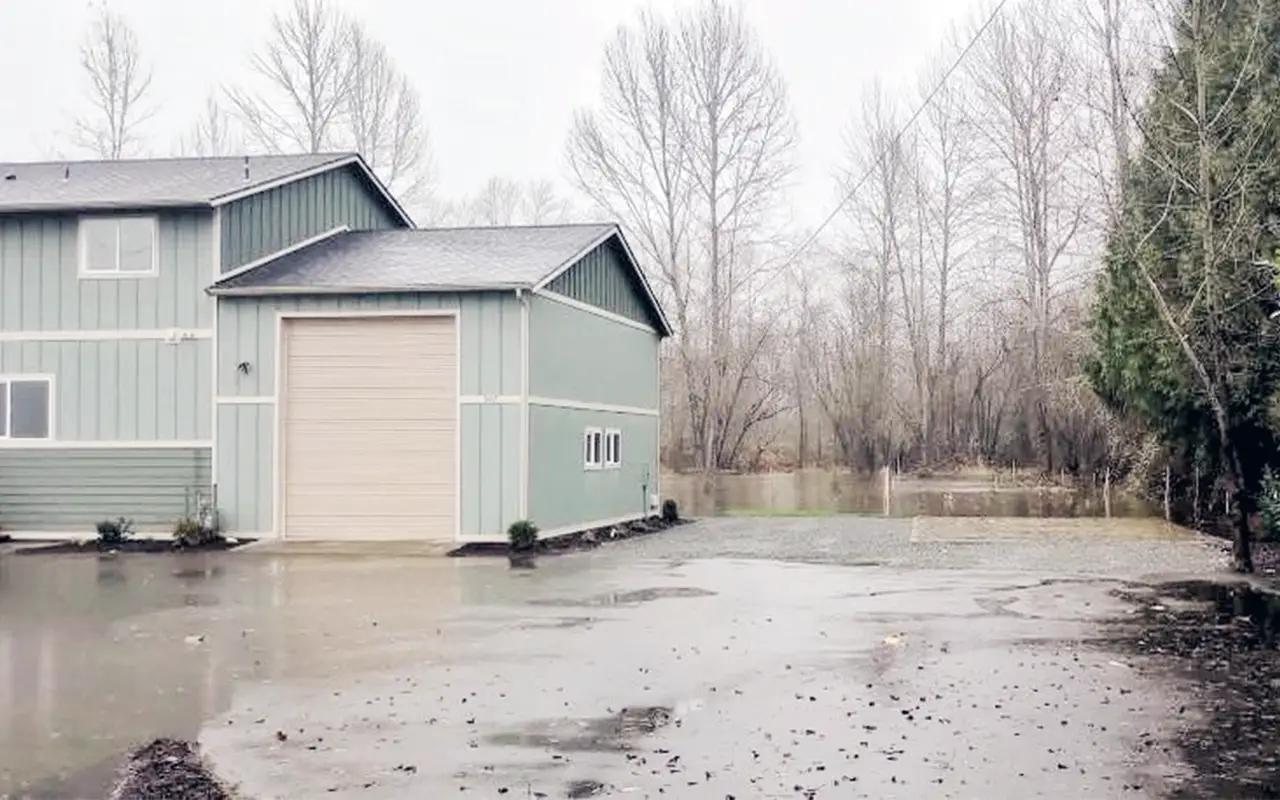
In Pierce County, flooding does not always come from water overtopping rivers. Groundwater pressure, saturated soil, and poor drainage often force water upward into crawlspaces. This is especially common during prolonged rain events, when the ground can no longer absorb additional moisture. Homes may appear dry on the surface while water continues to rise underneath.
Crawlspace flooding is not just a temporary inconvenience. Standing water and high humidity below the home can affect floor framing, insulation, air quality, and long-term structural stability. The sooner the issue is identified, the easier it is to prevent damage from spreading to other parts of the house.
This guide explains why crawlspaces flood so frequently in the Puyallup area, how to recognize early warning signs, and what steps homeowners should take to protect their homes after water enters the crawlspace.
Why Crawlspaces Flood in Puyallup, Orting, and Sumner
Crawlspaces in the Puyallup Valley are especially vulnerable to flooding because of soil conditions, elevation, and drainage patterns. Many homes sit on clay-heavy soil that holds moisture instead of allowing it to drain. During periods of Pierce County flooding, the ground becomes saturated and water looks for the lowest point, which is often the crawlspace.
In areas affected by crawlspace flooding Orting residents see after heavy rain, water does not always come from rivers or surface runoff. Groundwater pressure builds beneath the home and pushes moisture upward through vents, foundation seams, and soil. Even homes that appear dry outside may still be collecting water underneath.
Similar conditions affect homes dealing with crawlspace water Sumner homeowners encounter during extended rain events. Flat terrain and nearby waterways slow natural drainage, allowing moisture to linger in the soil. As the ground stays saturated, crawlspaces remain damp even after rain stops.
Another common issue is poor exterior drainage. Downspouts that discharge too close to the foundation, blocked footing drains, or negative grading can all direct water toward the home. Over time, these factors increase the likelihood of Puyallup crawlspace water problems, especially during storms that last several days.
Understanding why water enters the crawlspace is an important step. In the next section, we’ll cover the warning signs that indicate there may already be water under the house.

Water under the house?
Signs You May Have Water Under the House
Many homeowners are unaware there is a problem until clear warning signs appear. Water under the home does not always show up as visible flooding inside living spaces. In many cases, water under house conditions develop quietly and continue for days before they are noticed.
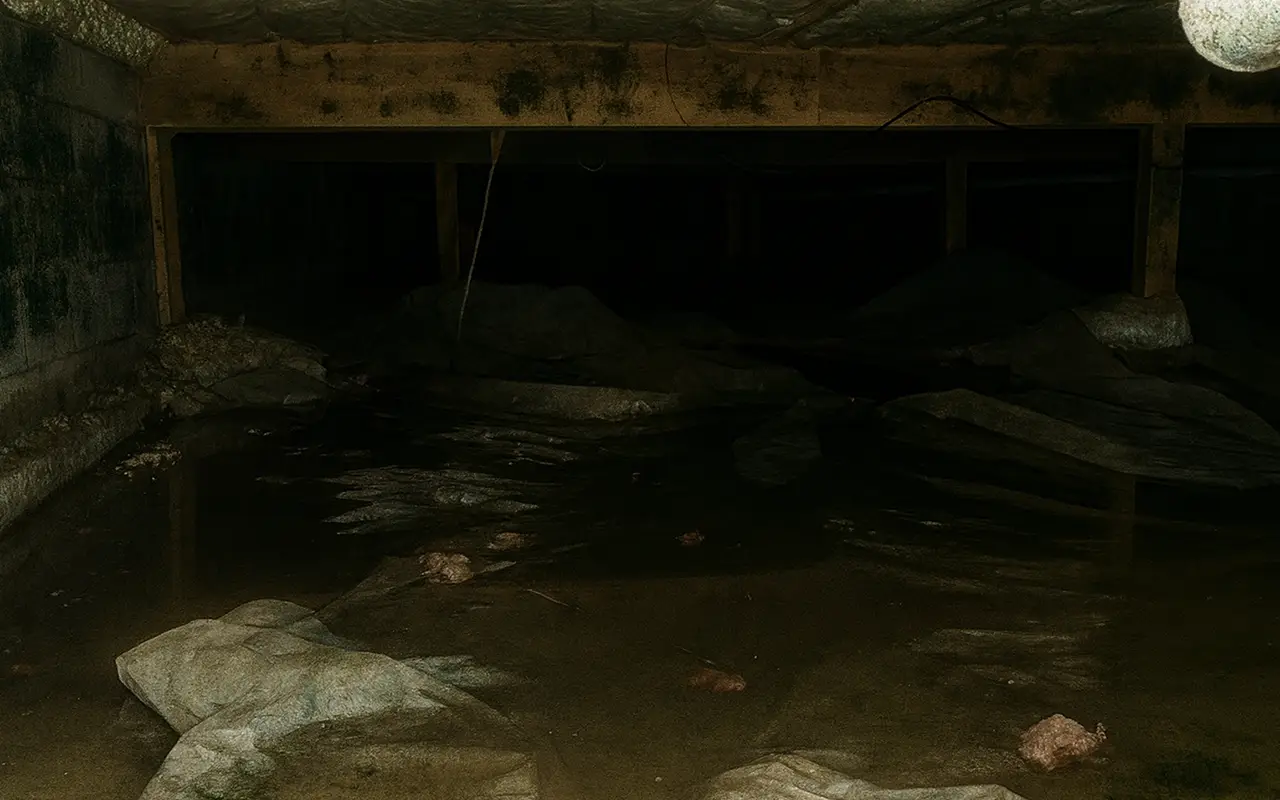
One of the most common signs is a wet crawlspace. This may include damp soil, standing water, or condensation on foundation walls and framing. Insulation may begin to sag or drip, and vapor barriers can trap moisture instead of blocking it. These conditions often worsen after rain stops because the soil below the home remains saturated.
Another indicator is odor. Musty smells coming from floors, closets, or HVAC vents often point to a flooded crawlspace. Because air from the crawlspace rises into the home, moisture and odors can spread quickly, even if the crawlspace is rarely accessed.
You may also notice increased humidity inside the house, cold floors, or visible staining near floor edges. In some cases, exterior signs appear first, such as pooling water near foundation walls or downspouts that discharge too close to the home.
Recognizing these signs early is important. In the next section, we’ll explain how crawlspace flooding can lead to long-term damage if moisture is left untreated.
If you’re unsure what steps to take immediately after flooding, review our guide on what to do after flooding in Puyallup to understand early safety and moisture control priorities.
How Crawlspace Flooding Puyallup Homes Leads to Long-Term Damage
When water remains in a crawlspace, damage often continues even after surface flooding subsides. Moisture trapped below the home affects materials that are slow to dry and difficult to access. Over time, this can create problems that extend well beyond the crawlspace itself.
One of the first materials affected is insulation. Crawlspace insulation water damage occurs when insulation absorbs moisture and loses its ability to regulate temperature. Wet insulation can sag, fall, or remain pressed against framing, holding moisture against wood for extended periods.
Another serious concern is biological growth. Persistent damp conditions increase the risk of mold in crawlspace areas, especially on wood framing, subflooring, and insulation backing. Even small amounts of mold below the home can impact indoor air quality because crawlspace air naturally moves upward into living areas.
Long-term moisture can also weaken floor framing, promote corrosion on fasteners, and contribute to uneven floors. In many cases, homeowners only notice these issues months later, after odors, drafts, or structural changes become harder to ignore.
Because this damage develops gradually, early inspection and drying are critical. In the final section, we’ll cover what homeowners should do after the water stops rising and how to prevent repeat crawlspace flooding.
For a broader overview of post-flood recovery and repair options, visit our
water damage repair services page
.
Next Steps After Crawlspace Flooding Puyallup Homeowners Should Take
After water stops rising, the most important step is confirming whether moisture remains trapped under the home. Even when standing water drains away, damp soil, insulation, and framing can continue releasing moisture into the crawlspace. This is why crawlspace flooding Puyallup homeowners experience often leads to problems weeks later if it is not properly addressed.
The first priority is inspection. Checking insulation, vapor barriers, and framing helps determine whether materials can dry safely or need to be removed. In many cases, post-flood crawlspace repairs involve removing wet insulation, improving airflow, and addressing drainage issues that allowed water to enter in the first place.
Documentation is also important. Photos and notes taken early help track moisture changes and support any insurance discussions if coverage applies. Homeowners should avoid sealing or covering damp areas until the crawlspace has been evaluated and dried properly.
If moisture persists, odors develop, or insulation remains wet, it is best to request a professional assessment. Early action limits long-term damage and reduces the likelihood of mold or structural issues developing later.
For regional flood safety updates, homeowners can refer to official guidance from
Pierce County emergency services
.
Need help after flooding?
Frequently Asked Questions






Leave A Comment