
Good to know / Puyallup flood planning
Puyallup Flooding: What to Do Now and Before the Next Storm
When flooding threatens a home in Puyallup, start with people and safe access. Confirm local alerts, avoid floodwater and electrical hazards, document damage, and arrange mitigation before planning repairs. The December 2025 flood made the value of a household plan clear; the steps below are written to remain useful for the next storm, not just the last one.
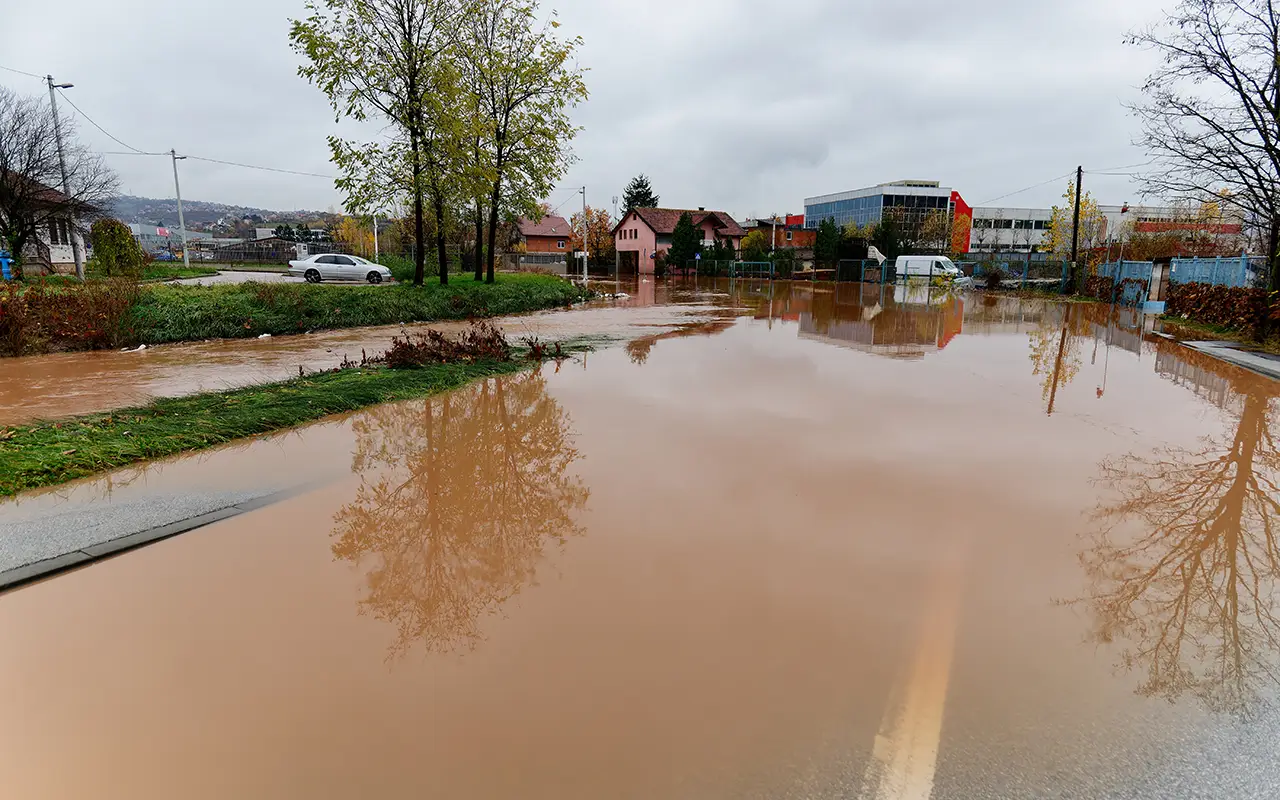
Flood conditions change by location and hour. Use Pierce County flood information and the National Weather Service river gauge for current updates; this article is guidance, not a live flood alert.
What the last major flood taught Pierce County
On December 8, 2025, Pierce County declared an emergency ahead of flooding, high winds and landslides. Road closures, saturated ground and changing river conditions made it harder to rely on a single piece of information. The lesson for homeowners is to prepare before water reaches the house: know the alerts you follow, how you will leave if directed, and what parts of the property have taken on water before.
This page does not report current flooding. For current warnings, road access and river information, begin with Pierce County’s river-flooding resources and the National Weather Service Puyallup gauge. A gauge describes conditions at its station; it does not certify that a nearby street, crawlspace or home is safe.
Protect people before property
Follow evacuation instructions from local authorities and do not drive or walk through floodwater. If water may have reached electrical outlets, equipment or the service panel, stay out of the affected area until a qualified professional says it is safe. Keep children and pets away from standing water, which may contain sewage or other contaminants.
Once you can do so safely, stop a controllable water source, photograph each affected room and the exterior water line, and make a simple inventory of damaged materials. Contact your insurer for claim instructions, then arrange qualified emergency water removal and structural drying. Do not wait for a reconstruction estimate while active water remains. EPA’s flooded-home guide explains why early drying and protective precautions matter.
Use a flood-zone map as a planning tool
The map below shows FEMA high-risk mapped flood zones. It is useful for understanding mapped exposure, but it is not a live flood forecast and does not include every way water can reach a house. Check official current warnings separately. The “Use My Location” button asks your browser for location permission only if you choose it; you can also tap the map manually.
Turn the last event into a household checklist
Before the wet season, sign up for county alerts, identify higher ground and alternative routes, keep medication and important documents ready to move, and photograph the rooms and contents you would need to document for a claim. Inspect gutters, downspouts and drainage; test existing sump equipment; and note where water entered previously. Fixes should follow the actual water path rather than a generic flood-prevention product list.
Review insurance before a storm. The Washington insurance commissioner explains that a standard homeowners policy generally does not cover flooding and that separate flood insurance commonly has a waiting period. Ask your agent which water sources and losses your specific policy addresses; a burst pipe and outside floodwater may be treated differently.
Plan the reconstruction after mitigation is complete
When the source is corrected, damaged materials have been removed as needed and the structure is dry, define the rebuild scope. Floors, drywall, trim, cabinets, bathrooms and connected rooms may need coordinated work. Bezruchuk Inc.’s water-damage reconstruction page explains the company’s role at that stage, after emergency mitigation and structural drying.
See our Bellevue basement restoration for a completed water-damage rebuild involving rooms and closets. Our Bellevue bathroom restoration shows the bathroom work from that same project, including the retained vanity and new countertop. It is a real company project that illustrates the reconstruction phase, not a claim that the December 2025 Puyallup flood affected that Bellevue home. For sequencing after mitigation, our flood-damage repair timeline gives a fuller view.
Common questions
What should I do first if floodwater reaches my home?
Put personal safety and official evacuation directions first. Avoid water near electricity, then document damage and contact your insurer and an emergency mitigation provider when access is safe.
Is a FEMA flood zone map a live warning?
No. It shows mapped flood risk, not current conditions or a guarantee that an unmapped property cannot flood.
How quickly should wet materials be dried?
EPA recommends drying wet materials within 24 to 48 hours when possible. Professional drying may take longer and should be verified before rebuilding.
Does homeowners insurance automatically cover a flood?
Usually not for outside flooding. Review your own policy and ask your insurer about separate flood coverage and waiting periods.
When should I call a reconstruction contractor?
After active water is addressed and mitigation and structural drying are complete, a contractor can assess and price the rebuild.