

Puyallup Flooding: How Rising Water Affects Homes and What to Do Next
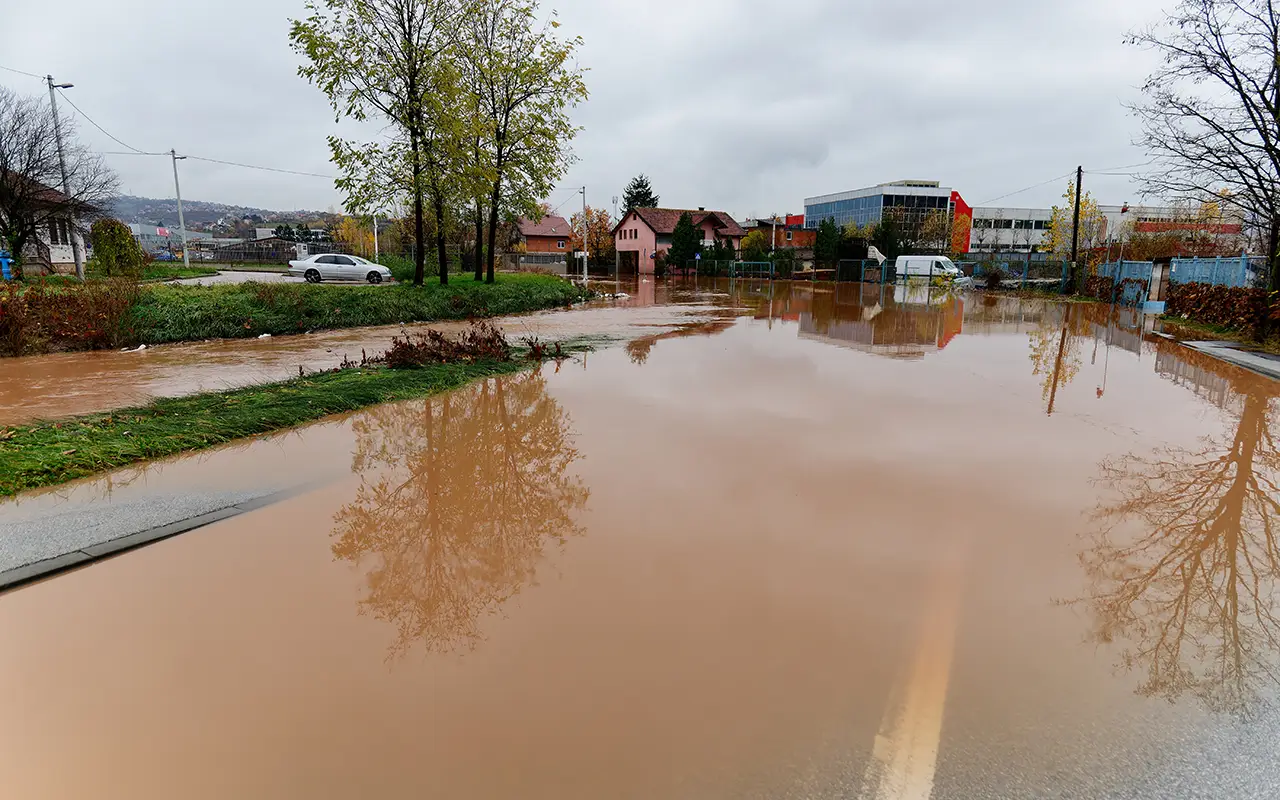
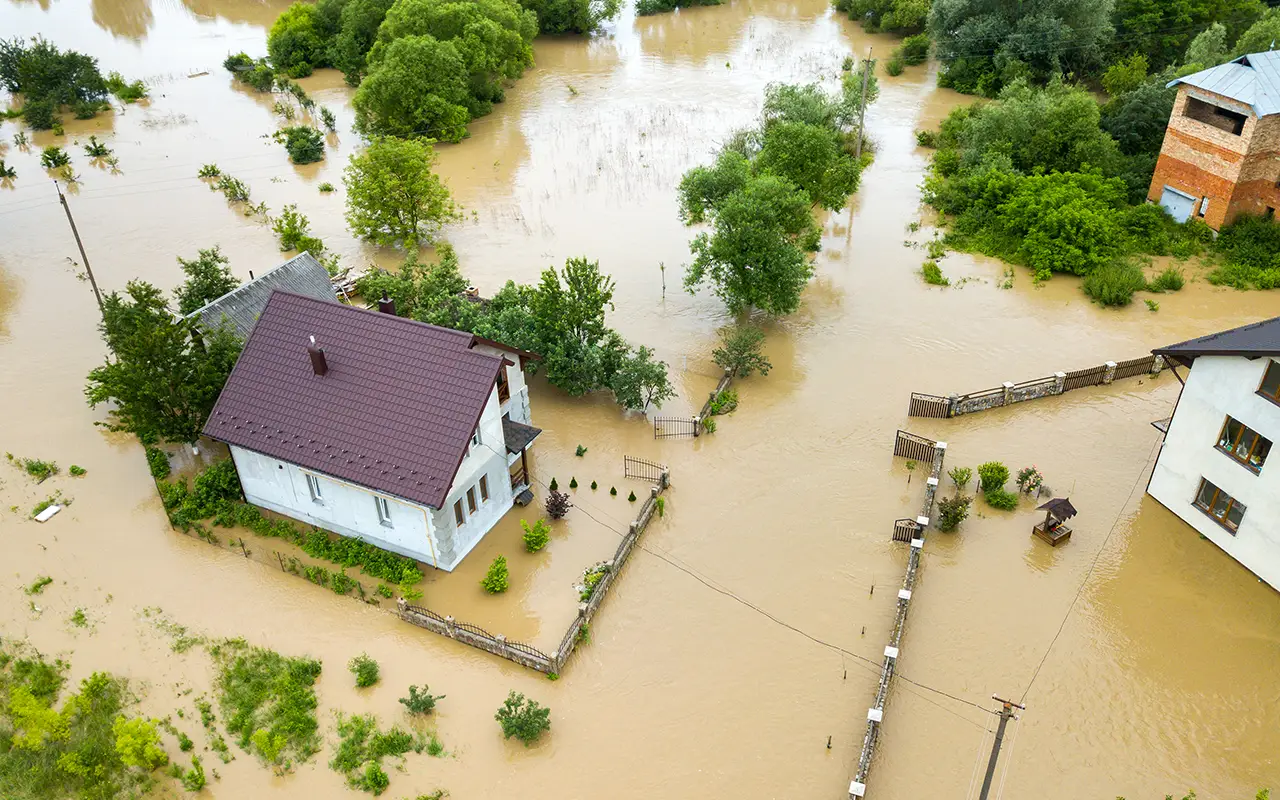
The recent Puyallup flooding has caused fast-rising water across Orting, Sumner, Carbon River areas, and lower Pierce County. Many homeowners are waking up to flooded yards, rising groundwater, and moisture entering crawlspaces and basements. If you’re dealing with Orting flooding or water pushing into your home, here is exactly what to do right now to protect your property.
In situations like these, the first 24 hours matter. Knowing what to do after a flood helps reduce long-term damage, lower repair costs, and prevent mold from forming. Because Sumner flooding continues to shift with incoming water from the valleys, taking fast action is essential.
Why This Flooding Is Affecting Puyallup, Orting & Sumner
These communities sit close to river channels, low valleys, and runoff flow paths. When heavy rainfall combines with melting mountain snow, water levels rise quickly. This is why Sumner flooding and movement from the Orting Valley happen with little warning. In many areas, groundwater pushes upward into crawlspaces even if the house itself is above river level.
Immediate Priorities for Homeowners
Before touching anything inside the home, focus on three essential steps:
- Stay safe around electrical panels, outlets, and standing water.
- Document visible water intrusion with photos or video.
- Avoid running HVAC systems until you check for water near equipment.
You do not need to know the exact cost of repairs or cleanup right now. The immediate goal is to secure the home, reduce moisture, and prepare for proper drying and inspection.
During Puyallup flooding events, groundwater can rise rapidly in low areas.
Homeowners experiencing Puyallup flooding should take steps to protect foundations and crawlspaces.
First 24-Hour Flood Cleanup Steps for Puyallup, Orting & Sumner Homeowners
After the initial safety check, the next step is taking action to slow down moisture damage. Homes near the valleys, especially those affected by Carbon River flooding, often experience rising water before any visible pooling appears. These early signs matter. Acting quickly helps prevent long-term structural issues and reduces the chance of mold forming.
1. Start Basic Water Control
Begin with simple, safe flood cleanup steps. Move items off the floor, especially anything made of wood, fabric, or cardboard. If water is entering from the exterior walls or through vents, clear debris outside to prevent additional flow toward the house. If you notice water near breakers or outlets, stop immediately and avoid contact.
2. Check for Crawlspace Saturation
Many homeowners first notice water under the home, not inside living spaces. A flooded crawlspace can lead to soaked insulation, moisture against floor framing, and rising humidity inside the home. Look for standing water, dripping insulation, or wet foundation walls. Avoid entering the crawlspace if water is deep or electrical wiring is exposed.
3. Assess Basements and Lower Levels
If your home includes any finished or unfinished lower area, perform a fast flooded basement cleanup check. Look for damp carpets, wet drywall bottoms, or water seeping through concrete. Do not rip out materials yet — the goal is to document everything before any cleanup begins.
4. Improve Airflow Where Possible
Open windows on the opposite sides of the home when weather allows. Cross-ventilation helps slow moisture buildup. Avoid turning on the furnace or central air system until you verify no water has reached mechanical equipment. Adding airflow at this stage reduces musty odors and limits early mold growth.
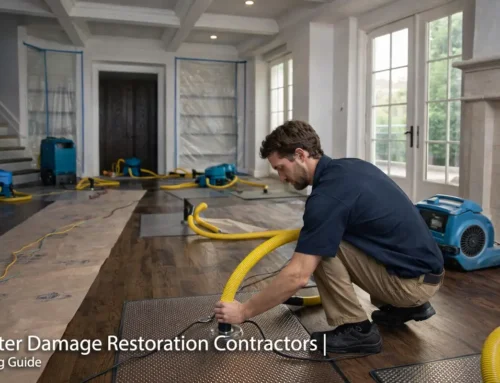
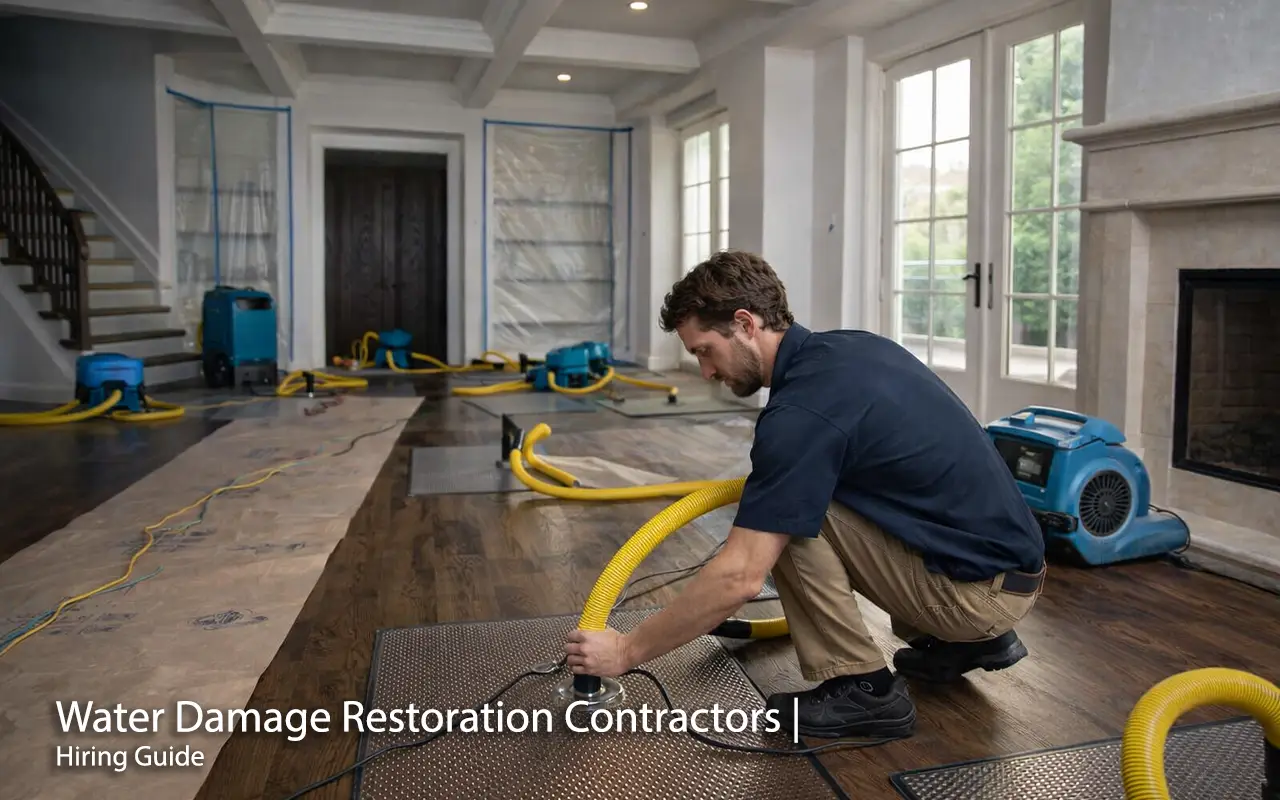
Once standing water is removed and immediate safety concerns are addressed, many homeowners choose to work with experienced water damage restoration contractors to properly dry the structure, document damage, and prevent long-term issues like mold growth.
In the next section, we will cover when to call a contractor and how the inspection and repair process typically works after flooding in Pierce County.
Worried About Moisture Inside Your Home?
If your crawlspace, basement, or lower walls show signs of rising moisture, it’s best to get an early inspection. Quick action can prevent mold, protect framing, and reduce long-term repair needs. We provide fast on-site evaluations for Puyallup, Orting, and Sumner homeowners after local flooding.
When to Call a Contractor After Flooding in Puyallup, Orting & Sumner
Many homeowners wait too long to reach out for help after flooding. With ongoing Pierce County flooding, moisture often spreads beyond the initial area before anyone notices. Calling early ensures the home receives proper inspection, drying, and structural evaluation before problems grow.
1. When You Should Contact a Contractor
If you see standing water, saturated insulation, wet drywall, or water pushing through vents, it is time to request assistance. A professional can assess hidden moisture and help start the correct drying process. Homes affected by heavy rain runoff or rising groundwater often require follow-up attention, even if the damage appears minor at first.
2. What an Inspection Usually Includes
A typical visit during flood damage repair Puyallup situations includes checking the crawlspace, framing, insulation, mechanical areas, and lower interior walls. Inspectors look for early signs of structural moisture, electrical concerns, and materials that may not dry on their own. This step helps determine which areas need drying, cleaning, or removal.
3. Understanding the Post-Flood Repair Process
Once the home is safe and the water stops rising, the next phase is planning post-flood home repairs. This can include removing wet insulation, drying crawlspaces, cutting damaged drywall, and replacing flooring materials. Every home is different, so the repair sequence depends on where water entered and how long materials stayed wet.
4. Why Calling Early Matters
Moisture left inside walls or under flooring can lead to musty odors and long-term mold issues. Early inspection helps prevent unnecessary demolition later. Even if water levels drop quickly, damp structural materials continue absorbing humidity, especially in closed spaces. Fast action protects the home and shortens the overall repair timeline.
Next, we will cover how moisture turns into mold and what steps help prevent growth after flooding in Puyallup, Orting, and Sumner.
How to Prevent Mold After Flooding in Puyallup, Orting & Sumner
After water enters a home, the clock begins immediately. Most surfaces start absorbing moisture within hours, which is why preventing mold after flooding is a priority for every homeowner. Even if the water level drops quickly, humidity trapped inside walls, crawlspaces, and flooring continues to rise. This is especially true for neighborhoods affected by recent Caboon Road flooding, where saturation came from both surface water and rising groundwater.
1. Understand the Mold Timeline
Mold can begin forming within 24 to 48 hours in damp, enclosed areas. Wood framing, carpet padding, drywall bottoms, and crawlspace insulation are the most vulnerable materials. You may not see visible mold right away, but early growth can still be active behind walls or under flooring.
2. Improve Ventilation Quickly
Open windows when weather allows and create airflow across the home. Cross-ventilation slows moisture buildup and helps materials start drying. Avoid turning on central HVAC systems until you verify the equipment area is dry, especially if the furnace or air handler sits in a low mechanical space.
3. Keep an Eye on Crawlspaces and Lower Walls
Check your crawlspace daily for standing water or damp insulation. Moisture in this area is a major contributor to musty indoor odors. If walls or floors feel damp to the touch, continue documenting conditions and avoid sealing anything until the home has been properly evaluated.
4. When to Reach Out for Help
If materials stay wet longer than a day or two, or if humidity rises inside the home, it is best to bring in a contractor for inspection. Early attention reduces the chance of having to remove large sections of drywall or flooring later. Homeowners can slow mold growth, but complete prevention often requires proper drying and monitoring tools.
Learn more about how we handle repairs after flooding on our water damage restoration page.
Need Flood Cleanup or Inspection Help?
If your home was affected by recent flooding in Puyallup, Orting, or Sumner, we can help you stabilize, inspect, and plan your recovery steps. Whether you’re dealing with a saturated crawlspace, wet walls, or rising humidity, our team provides fast on-site guidance to protect your home and prevent additional damage.
Final Steps for Homeowners After Puyallup Flooding & Orting Flooding
As Puyallup flooding and Orting flooding continue to shift across the valley, the most important thing homeowners can do is monitor moisture levels closely and act early. Even after the water outside recedes, indoor humidity and hidden dampness may continue rising for several days. Staying proactive helps prevent long-term damage and keeps repair needs manageable.
If your home still shows signs of moisture, musty odors, damp walls, or lingering crawlspace saturation, it is best to schedule an inspection. Early attention makes the process smoother and avoids unnecessary demolition later. Every home reacts differently to flooding, especially in areas near the Sumner Valley, Carbon River, and similar low-lying zones, so getting professional help is often the fastest way to stabilize the property.
Whether you need guidance, inspection, or complete post-flood recovery, we are available to help you navigate each step. You do not need exact numbers or estimates at this stage — simply reach out, describe the situation, and we will explain the best path forward for your home.
For official regional emergency notices, homeowners can check the
Pierce County Emergency Management website.
Frequently Asked Questions






Leave A Comment