
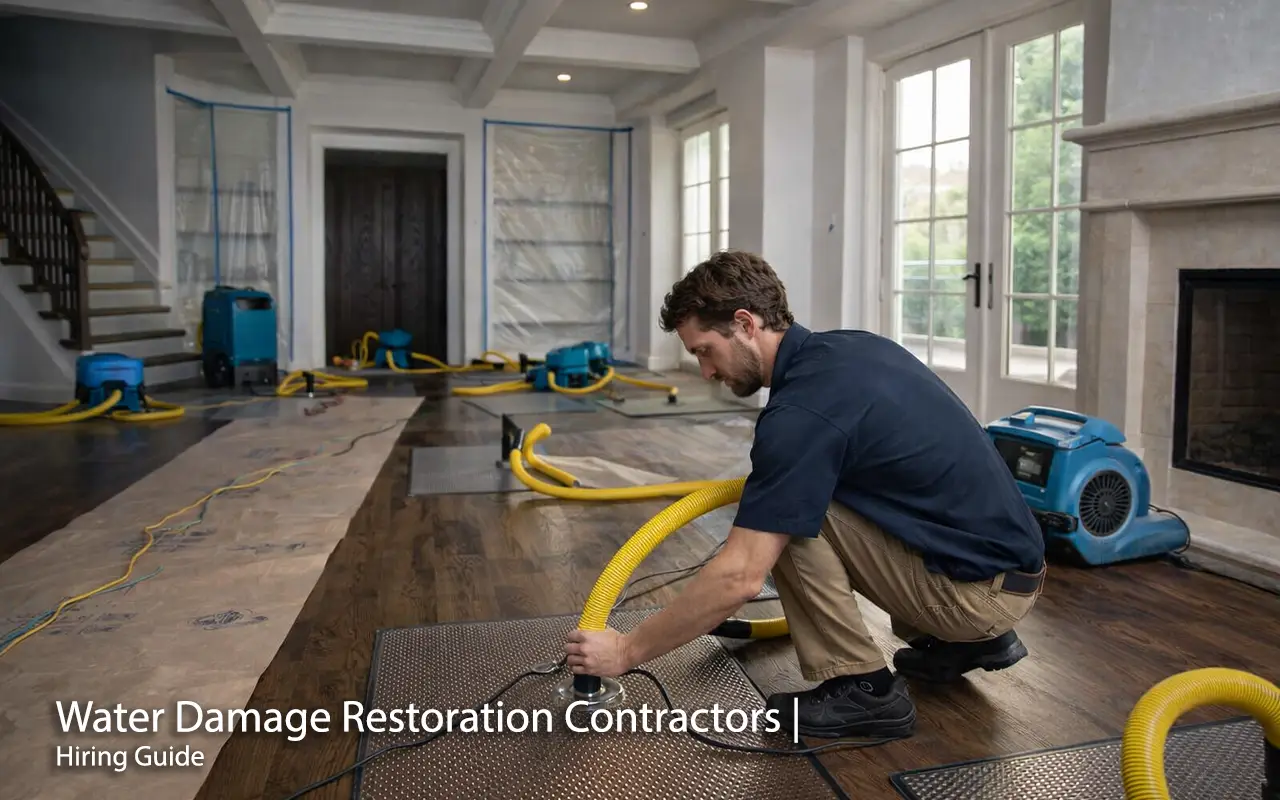
Water Damage Restoration Contractors: What Homeowners Should Know Before Hiring
Water damage restoration contractors play a critical role after flooding, leaks, or unexpected water intrusion. When water enters a home, quick and professional action can prevent long-term structural damage, mold growth, and costly repairs. Understanding what these contractors do and how to evaluate them helps homeowners make informed decisions during stressful situations.
Unlike basic cleanup services, water damage restoration contractors follow a structured process designed to dry, stabilize, and restore affected areas safely. Their work often includes emergency response, moisture detection, drying systems, and coordination with insurance claims. Choosing the right contractor can significantly impact both the outcome of the restoration and the overall repair timeline.
This guide explains what water damage restoration contractors do, when to call one, what the process involves, and how to avoid common mistakes. The goal is to give homeowners clear, practical information before hiring a professional.
What Are Water Damage Restoration Contractors?
Water damage restoration contractors are professionals trained to assess, mitigate, and restore properties affected by water intrusion. Their role goes beyond surface-level drying and focuses on preventing secondary damage such as mold growth, material deterioration, and structural weakening.
These contractors typically handle a range of services, including water extraction, structural drying, dehumidification, moisture monitoring, and repair coordination. In many cases, they also document damage and drying progress to support insurance claims and verify that industry standards are met.
Professional restoration contractors use specialized equipment and follow established protocols to ensure affected areas are properly dried. This approach reduces the risk of hidden moisture remaining behind walls, under flooring, or in crawlspaces, which can lead to future problems if not addressed correctly.
For a broader overview of professional restoration services and how they differ from basic cleanup, see our guide on water damage restoration services.
Common Situations That Require Water Damage Restoration Contractors
Water damage can occur in many ways, and not all situations are immediately obvious. While some cases involve visible flooding, others develop slowly and cause serious damage before homeowners realize professional help is needed. Water damage restoration contractors are trained to identify both immediate and hidden risks.
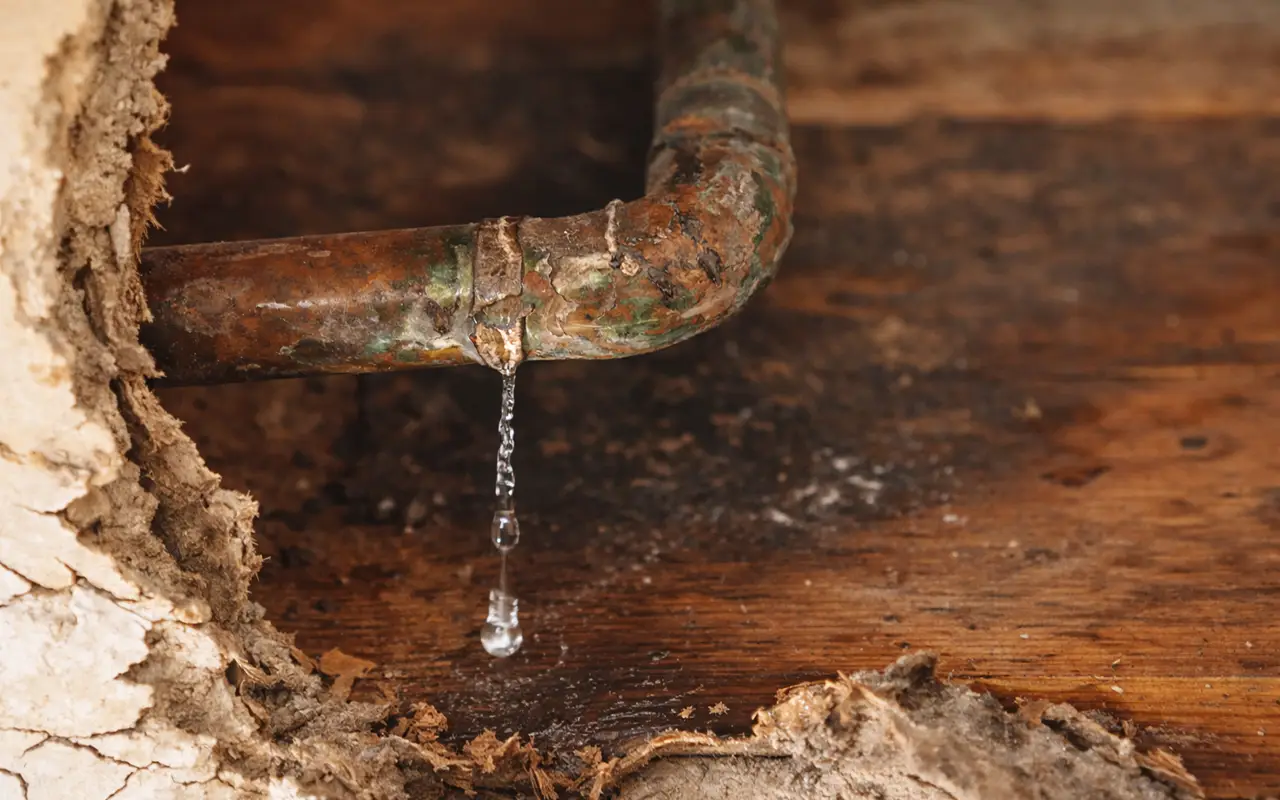
Some of the most common situations that require professional restoration include sudden water intrusion events such as burst pipes, appliance failures, and storm-related leaks. These incidents often release large volumes of water in a short time, making fast extraction and drying essential to prevent structural damage.
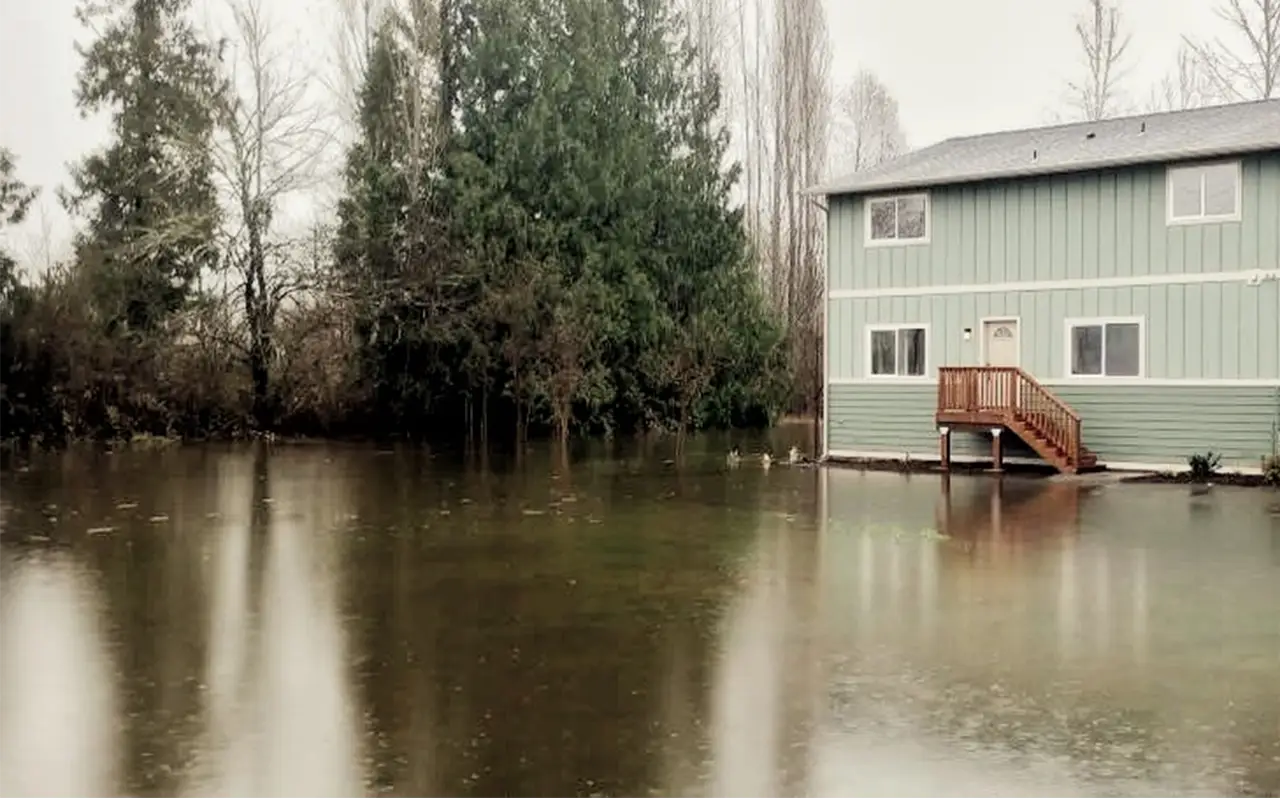
Flooding caused by heavy rainfall or drainage issues can also impact areas beyond living spaces. Basements and crawlspaces are especially vulnerable because water can remain trapped below the home, leading to prolonged moisture exposure and mold growth if not addressed correctly.
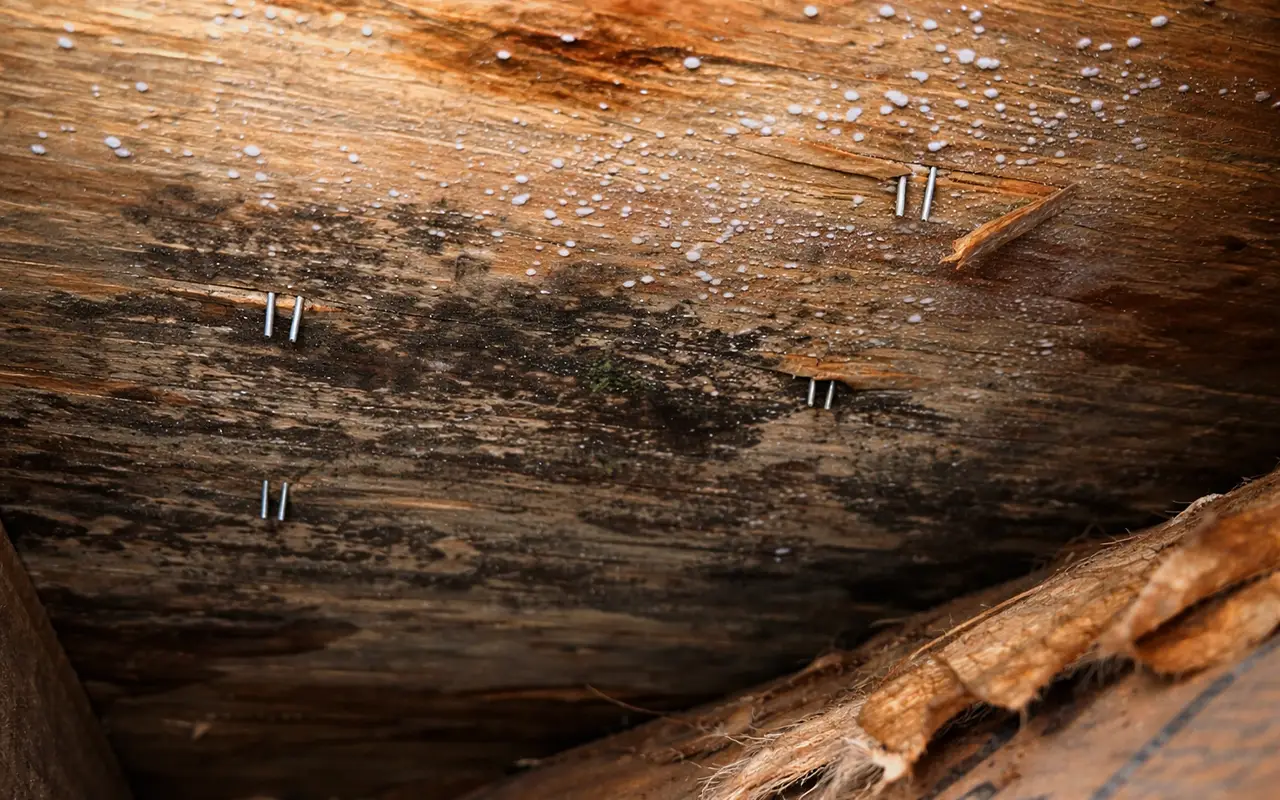
Other situations develop more gradually. Slow plumbing leaks, roof leaks, or condensation buildup inside walls can go unnoticed for weeks or months. Over time, these conditions weaken framing, damage insulation, and create an environment where mold can thrive.
Water damage restoration contractors are often called when homeowners notice warning signs such as persistent musty odors, warped flooring, peeling paint, or unexplained increases in indoor humidity. In these cases, professional moisture detection helps identify the source and extent of the problem before repairs begin.
Understanding how quickly water damage can progress is critical. This overview of the water damage repair timeline explains how damage evolves in the hours and days following water exposure.
What to Expect During the Water Damage Restoration Process
The restoration process follows a structured sequence designed to stop further damage, remove excess moisture, and restore affected areas safely. While each project is different, water damage restoration contractors generally follow the same core steps.
The process begins with an inspection and moisture assessment. Contractors use meters and thermal imaging to identify affected materials, including areas that may not show visible signs of water damage. This step is critical for creating an accurate restoration plan.
Next, standing water is removed using professional extraction equipment. Removing excess water quickly helps limit damage to flooring, drywall, and structural components. Once visible water is gone, drying and dehumidification begin.
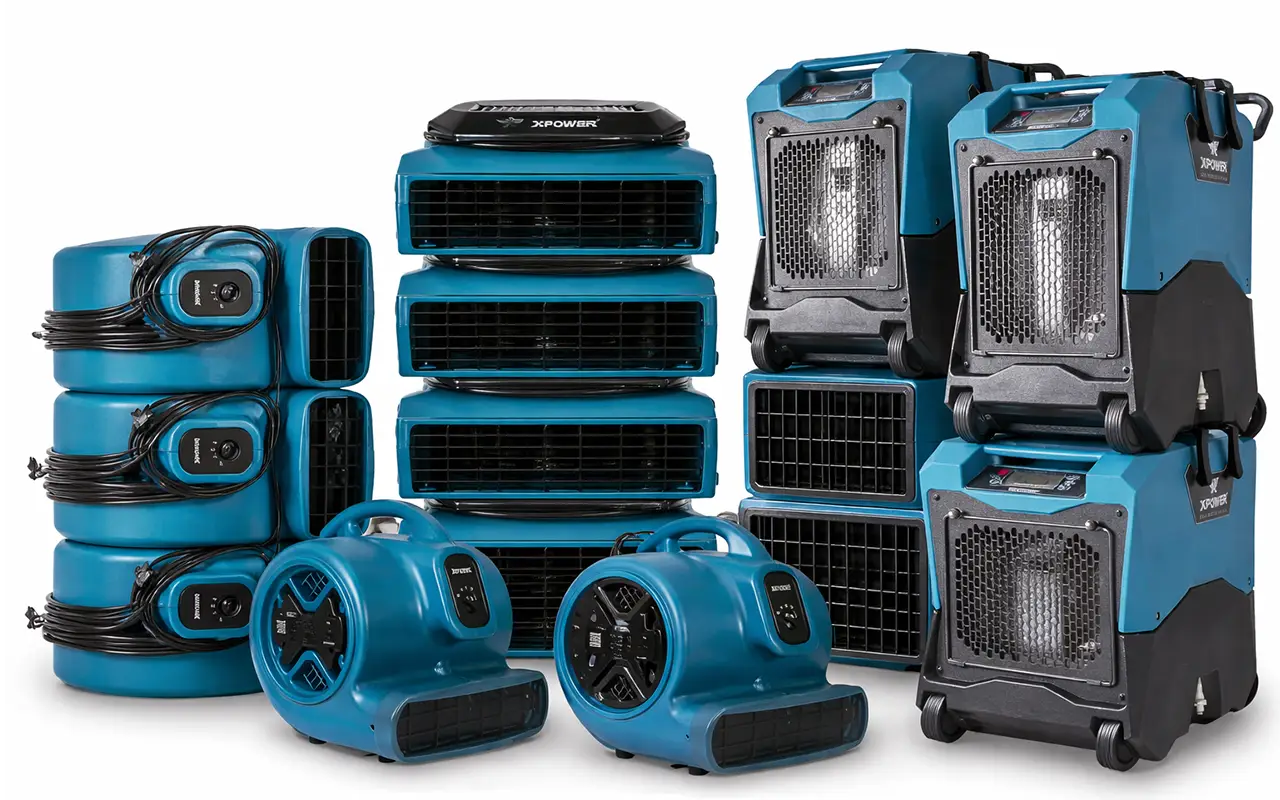
Drying involves placing air movers and dehumidifiers strategically throughout the affected space. Contractors monitor moisture levels regularly and adjust equipment as needed to ensure materials dry evenly and safely. Skipping or rushing this stage often leads to future issues.
After drying is complete, restoration contractors assess whether materials can be saved or must be removed. Some materials, such as drywall or insulation, may need replacement if they cannot be properly dried. Repairs are then completed to return the property to a safe and functional condition.
In areas like crawlspaces, improper drying can lead to long-term moisture problems. This guide on mold risks after flooding explains why thorough restoration is especially important in hidden spaces.
How to Choose Reliable Water Damage Restoration Contractors
Choosing the right water damage restoration contractor is one of the most important decisions a homeowner makes after water intrusion. The quality of the restoration work directly affects the safety of the home, the likelihood of future problems, and how smoothly the insurance process goes.
Reliable contractors focus on proper assessment and documentation before starting work. This includes identifying all affected areas, measuring moisture levels, and explaining the recommended restoration approach in clear terms. Contractors who rush to begin demolition without inspection often overlook hidden damage.
Certification and training are critical indicators of professionalism. Many qualified water damage restoration contractors follow industry standards and best practices developed for drying, moisture control, and contamination prevention. While certification alone does not guarantee quality, it shows that a contractor understands proper restoration protocols.
Experience with insurance-related projects is another key factor. Restoration contractors frequently work alongside insurance adjusters and understand the importance of accurate documentation, moisture readings, and daily logs. This documentation helps support claims and reduces disputes during the restoration process.
Clear communication is equally important. Homeowners should expect a detailed explanation of the scope of work, estimated timelines, and potential limitations. Reliable contractors avoid vague pricing, provide written scopes, and explain what is included and what is not.
There are also warning signs to watch for when evaluating restoration contractors. High-pressure tactics, demands for large upfront payments, or guarantees that insurance will “cover everything” are common red flags. Professional contractors focus on proper restoration rather than quick payouts.
Many homeowners also confuse general repair services with professional restoration services. Restoration contractors for water damage specialize in drying and stabilization first, while repairs typically come after moisture issues are fully resolved. Understanding this distinction helps prevent incomplete or unsafe repairs.
Hiring qualified water damage restoration repair contractors reduces the risk of mold growth, material failure, and repeat damage. Taking the time to verify credentials, experience, and communication practices can save significant costs and stress later.
Water Damage Restoration Costs and Insurance Considerations
The cost of hiring water damage restoration contractors can vary widely depending on the severity of the damage and how quickly the problem is addressed. There is no single flat rate for restoration work because each situation involves different materials, moisture levels, and risks.
Several factors influence restoration costs. These include the amount of water present, how long materials were exposed to moisture, the size of the affected area, and whether contamination is involved. Clean water from a supply line typically requires a different approach than water affected by sewage or environmental runoff.
Time is another major cost factor. Water damage that is addressed within the first 24 to 48 hours is often easier and less expensive to restore. When moisture remains trapped for longer periods, materials may need to be removed rather than dried, increasing labor and replacement costs.
Equipment usage also affects pricing. Professional restoration often requires high-capacity air movers, dehumidifiers, and moisture monitoring tools to dry materials correctly. These systems are typically run continuously and adjusted based on moisture readings throughout the process.
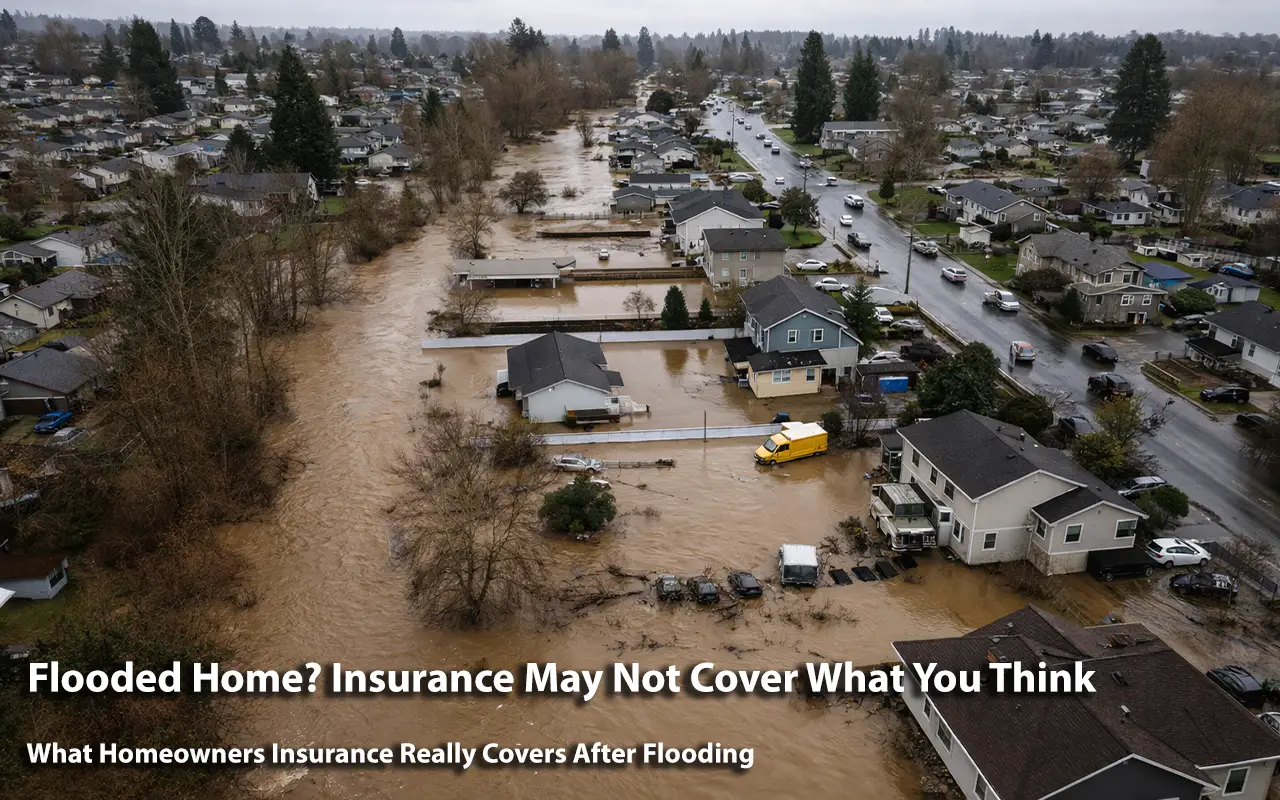
Insurance coverage plays a significant role in how restoration costs are handled. In many cases, homeowners insurance may cover water damage caused by sudden and accidental events, while other types of flooding may require separate coverage. Understanding the difference can help homeowners avoid delays and confusion during a claim.
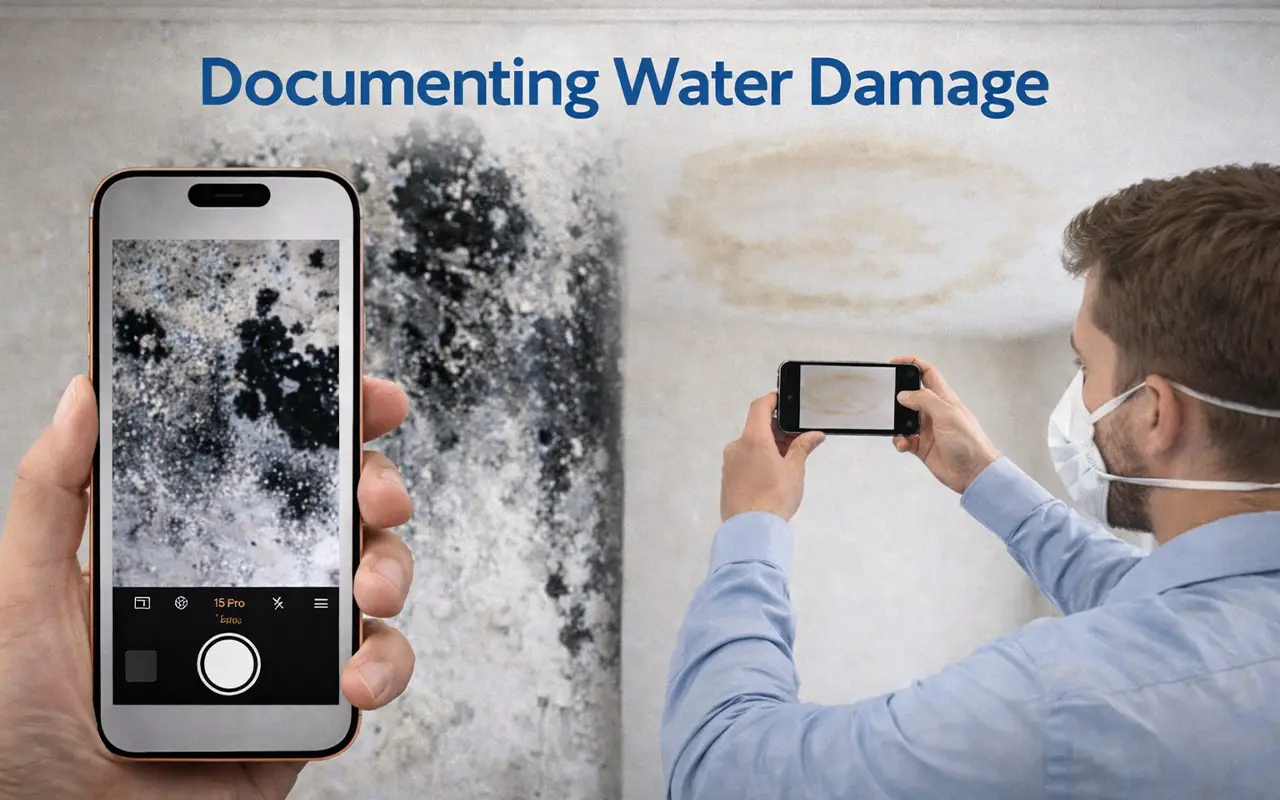
Restoration contractors often assist with documentation by providing moisture logs, photos, and scope details that support insurance claims. This documentation helps demonstrate that drying and restoration were performed according to accepted standards.
For a deeper explanation of how insurance policies typically address flood-related damage, this article on insurance coverage for flood damage outlines common scenarios and limitations that homeowners should understand.
It is important to be cautious of contractors who promise exact insurance payouts or guarantee full coverage. Professional water damage restoration contractors focus on proper restoration first and allow insurance providers to determine coverage based on policy terms.
When to Call a Water Damage Restoration Contractor Immediately
Not all water damage situations require emergency response, but certain conditions make immediate professional intervention critical. Delaying restoration in these cases can increase structural damage, health risks, and overall repair costs.
Standing water that remains for more than 24 hours is a strong indicator that professional drying is needed. Even small amounts of water can migrate into flooring systems, wall cavities, and insulation, where moisture is difficult to detect without specialized tools.
Water damage involving sewage, groundwater, or unknown contaminants should always be handled by trained restoration contractors. These situations pose health risks and require controlled removal, proper disposal, and thorough cleaning before drying begins.
Electrical concerns are another reason to act quickly. Water that reaches outlets, wiring, or electrical panels creates safety hazards that should be evaluated before cleanup or repairs continue.
Musty odors, visible mold growth, or unexplained humidity changes inside a home can also indicate hidden water damage. In these cases, professional moisture testing helps determine whether water is trapped behind finished surfaces or beneath the structure.
Hidden Water Damage Risks Homeowners Often Miss
Some of the most serious water damage occurs in areas that are rarely seen. Crawlspaces, subfloors, wall cavities, and insulation can hold moisture long after visible water has been removed.
Crawlspaces are especially vulnerable because they are often poorly ventilated and slow to dry. Moisture left in these areas can damage framing, compromise indoor air quality, and contribute to long-term mold problems if not addressed correctly.
Professional restoration contractors use targeted drying and monitoring techniques to ensure hidden spaces are fully dried. This step is essential for preventing future damage and avoiding repeat restoration work.
This guide on what to do after flooding outlines early steps homeowners can take before professional restoration begins.
Request a Water Damage Assessment
Frequently Asked Questions



Leave A Comment