Good to Know / Planning your remodel
How to Compare Bathroom Remodel Quotes: A Homeowner’s Checklist
Compare bathroom remodel quotes by putting the included work, material selections, exclusions and responsibilities side by side before comparing the project prices. Two contractors can look at the same room and price different projects. One may include a new shower valve, waterproofing, glass and painting. Another may expect you to buy the fixtures and hire someone else for part of the work.
Start by asking each contractor to describe the finished bathroom they are offering to deliver. Then check what has to happen between the room you have today and that result. This is where a proposal becomes useful: it tells you who is responsible for demolition, preparation, trades, finishes and the details that complete the room.
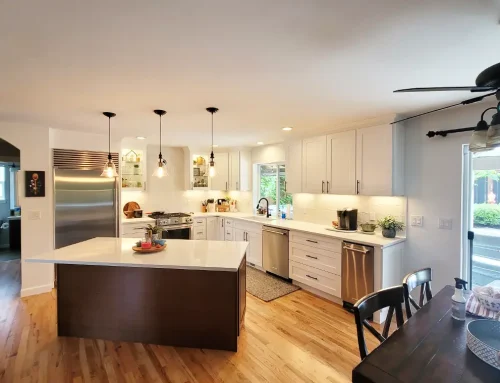
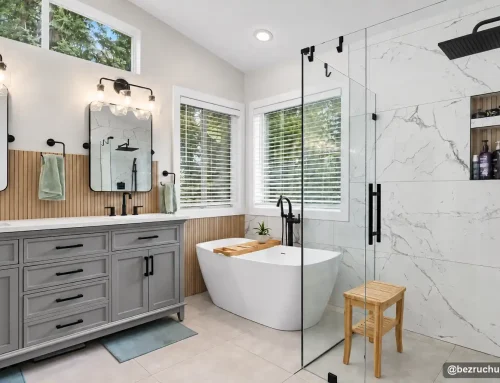
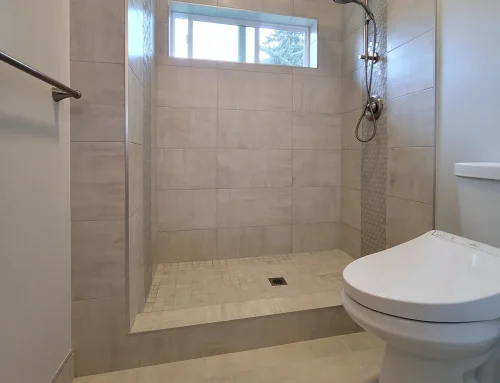
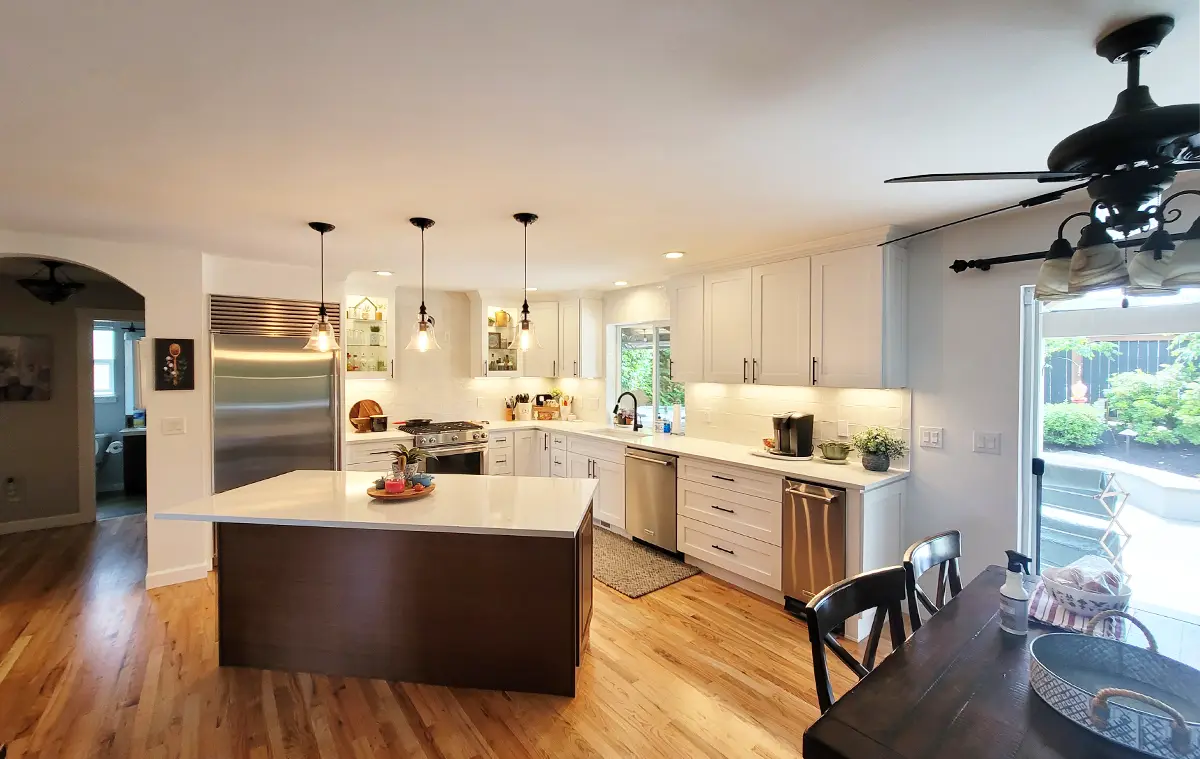
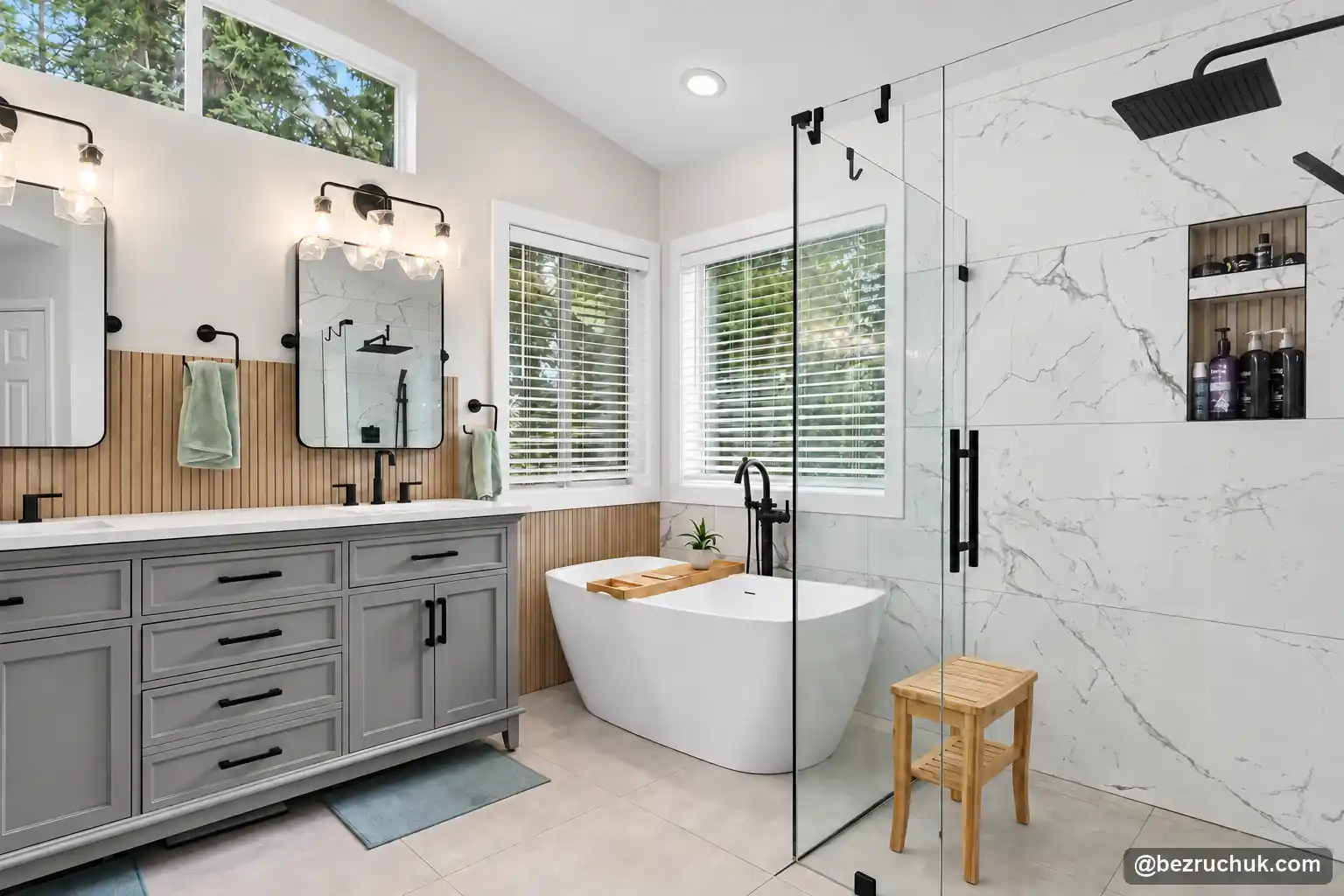
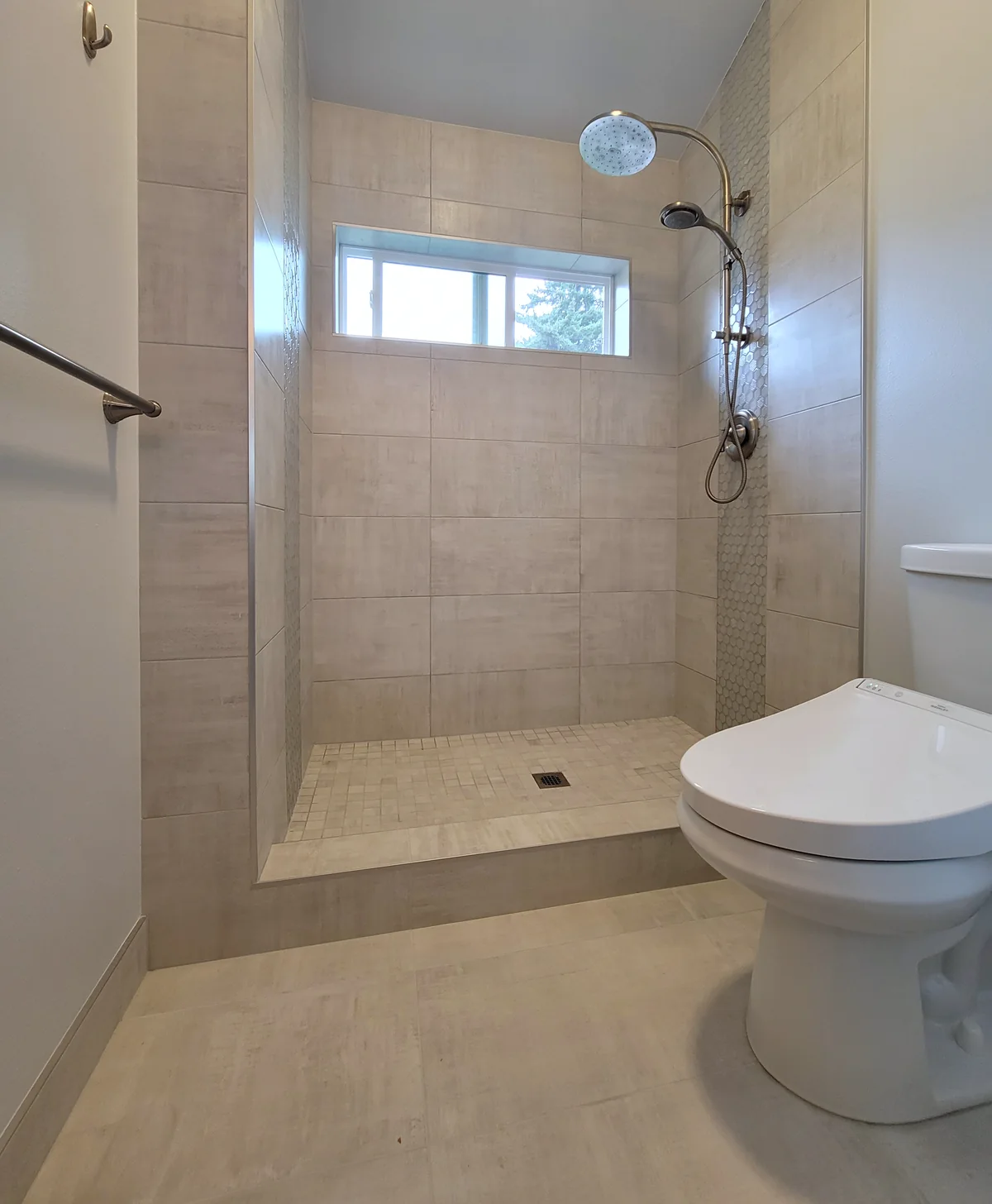
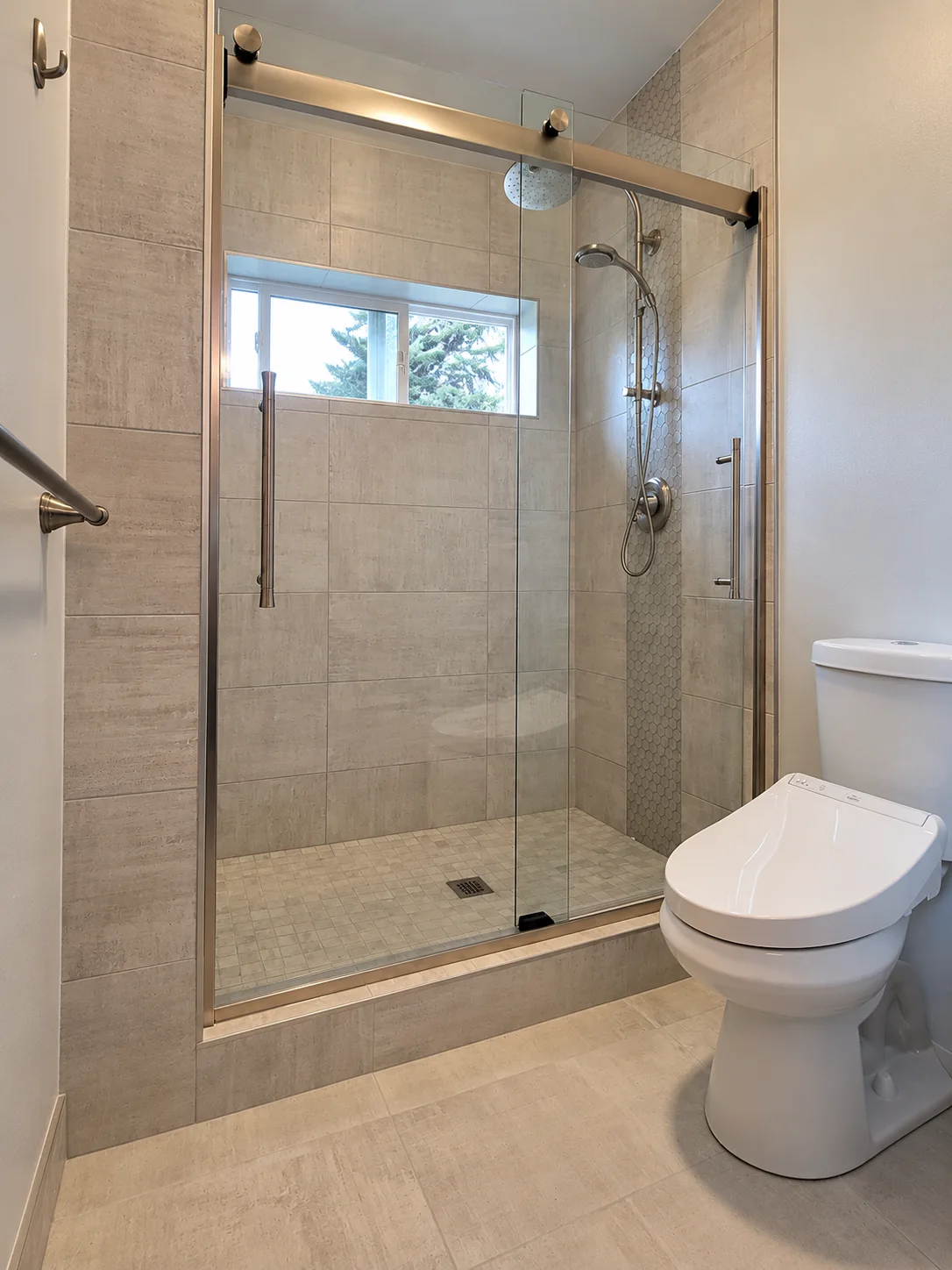
The checklist below will help you understand the scope and ask better questions before signing. You do not need a separate price for every task or material to make that comparison. The proposal example is hypothetical; the project photographs show our completed work in Renton, Washington.
01 / Set one scope
Are both contractors quoting the same bathroom?
Give each contractor the same starting information: photographs, approximate room dimensions, what you want to keep, what you want to replace and which fixture locations might move. Explain whether you are updating finishes, rebuilding the shower or renovating the whole room. Those are different scopes.
Keep a short selection list. Include the shower or tub arrangement, vanity size, tile areas, lighting, ventilation and desired glass enclosure. Mark undecided items clearly. If the plan changes between contractor visits, send the revised information to everyone still preparing a proposal.
For example, a shower with a finished prefabricated base and limited wall panels needs a different comparison from a custom tiled shower with a niche, bench and floor-height changes. First settle which result you want to evaluate. Then ask contractors to price that scope.
If you are still establishing a budget, use our bathroom remodel cost guide to identify the project level. Once you have written proposals, compare the stated work and responsibilities rather than trying to judge them by a broad online average.
Estimate, quote or proposal: does the title matter?
Read the document’s terms. Contractors use these words differently. Ask whether the amount is an early planning estimate, a price for a defined scope or an arrangement where you pay actual costs plus an agreed fee. Look for the selections, assumptions and conditions attached to it. A document labeled “quote” can still contain allowances and exclusions.
02 / Check the included work
What should a bathroom remodel quote include?
You should be able to understand what will be delivered, what you must provide and how the work will be completed. A proposal can describe the scope thoroughly without listing a separate price for every task, material or product allowance.
At Bezruchuk Inc., we put the detail into the work description: what will be removed, prepared, installed and finished. This helps homeowners review the proposed construction without turning the estimate into a breakdown of internal labor and material costs.
- Protection and access. Identify floor protection, dust separation, the route through the home, working hours and daily cleanup. Discuss stairs, parking, pets and access to another bathroom.
- Demolition and disposal. List the fixtures, tile, backing, floor layers and glass being removed. Confirm who hauls debris away and whether any removal has already been completed.
- Preparation and repairs. Define the planned backing, floor preparation, blocking and other work needed for the new installation. Separate known repairs from conditions that remain concealed.
- Plumbing. Specify fixtures, concealed valves, drain or supply changes and who purchases the parts. “Install shower trim” leaves a different question from “replace shower valve.”
- Electrical and ventilation. Identify lights, outlets, controls, floor heating and fan or duct work. Confirm whether fixtures and trade coordination are included.
- Shower construction and waterproofing. Describe the proposed base, wall assembly and details around the curb, niche, bench, window and drain. Ask how required testing and inspections will fit into the work.
- Tile and other flooring. State the areas covered, tile size and layout assumptions, grout, edge treatment and preparation. Bathroom floor area alone does not describe shower-wall tile work.
- Vanity, top and accessories. Check cabinets, countertop, sinks, faucets, mirrors, medicine cabinets, hardware and installation. Identify any owner-supplied items.
- Glass and finishing. Include enclosure type, hardware, measurement and installation, plus drywall, paint, trim and transitions to retained surfaces.
- Permits and closeout. Identify fees, applications, inspection coordination, final cleanup, remaining-item walkthrough and written warranty terms.
Ask for clarification wherever the proposal uses a broad phrase such as “complete bathroom” or “tile shower.” The useful answer describes the specific room and agreed finish, with the exclusions shown alongside it.
03 / Products and selections
How do you compare materials without an itemized price list?
Compare what the proposal includes. For a vanity, identify the cabinet size and style, countertop, sinks, faucets and installation responsibility. For a shower, identify the fixtures, enclosure and tile selection or selection limits. A separate material price beside each item is not necessary to understand the proposed result.
Keep product specifications or a selection sheet with the scope where available. Check dimensions, finishes and included components. If an item has not been chosen, ask what choices the current proposal covers and how a later change would be handled.
Confirm the effect of a different selection
A wall-mounted faucet or a larger-format tile can change installation work as well as the product itself. Before purchasing an alternative, have the contractor confirm whether it fits the agreed scope and whether a change to the project price or schedule is needed.
Some contractors use allowances for products not yet selected. If a competing proposal uses that format, clarify what products and services are covered and what remains undecided. An allowance is a planning placeholder, not a final product specification. The useful comparison is the intended selection and installation scope, rather than a contractor’s internal purchasing budget.
Who handles materials you buy yourself?
Owner-supplied materials still need coordination. Confirm who checks compatibility and dimensions, receives and stores deliveries, reports damage, handles returns and replaces missing components. Ask what happens if a late delivery interrupts the schedule.
For example, a selected shower trim kit must work with the concealed valve. A vanity must fit the available space and plumbing arrangement. Buying early helps only when the selected products match the plan.
04 / A practical comparison
Two bathroom proposals can describe different jobs
This is a hypothetical example, not a pair of actual customer quotes. Both proposals concern the same existing bathroom and a tiled shower in its current location. Proposal A leaves several items to the homeowner. Proposal B carries more of that work within its scope.
| Scope item | Proposal A | Proposal B |
|---|---|---|
| Demolition | Homeowner arranges removal before installation. | Protection, removal and debris hauling included. |
| Shower plumbing | Existing valve retained; new trim supplied by homeowner. | New specified valve and trim, with installation included. |
| Waterproofing | “Tile shower installation”; assembly needs clarification. | Base, wall waterproofing and relevant details described. |
| Tile selections | Owner purchases tile; layout assumptions not stated. | Included tile selection and layout assumptions stated. |
| Shower glass | Excluded; homeowner hires a glass installer. | Specified enclosure, measurement and installation included. |
| Paint and trim | Excluded. | Affected surfaces and finishing limits identified. |
| Concealed damage | Additional work; approval and pricing process unstated. | Excluded from base scope, with written approval process described. |
Proposal A may suit a homeowner who wants to coordinate separate trades and purchase materials. Its total needs to be considered with those additional purchases, services and responsibilities. Proposal B covers more work, but the written detail still needs to match the homeowner’s selections and expectations.
Before deciding, ask both contractors to address the same list. Request a revised scope where necessary. The aim is to see what each complete path will require, including the work you would otherwise arrange yourself.
05 / Beneath the finished surface
Why do shower details change the scope so much?
A finished shower photograph shows the tile, fittings and glass. The proposal also needs to account for what supports and waterproofs that finish. Ask how the base, backing, drain and wall junctions will be handled, especially where new construction meets retained materials.
In our Renton shower rebuild, removal exposed areas where the original tile had not bonded properly. The project involved rebuilding the shower, rather than improving the appearance of the grout alone. The work included a new pan liner, finished tile and sliding glass doors.
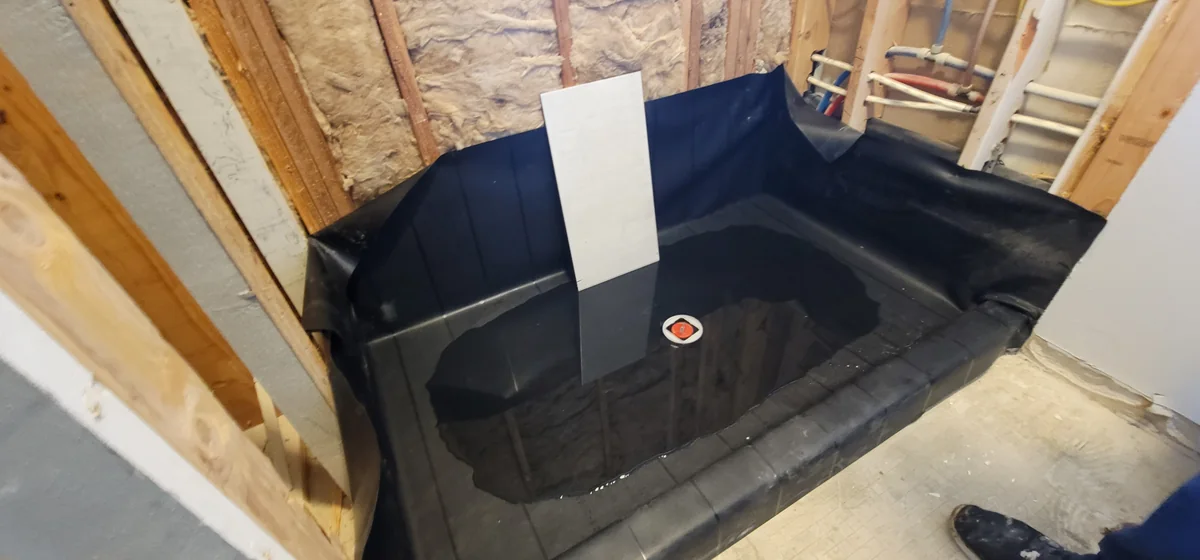
For a similar project, a proposal for surface repairs and a proposal for a complete rebuild would answer different needs. Ask each contractor what they believe must be removed, what can remain and how they reached that conclusion.
Our bathroom waterproofing guide can help you understand the assembly terms. A product name by itself does not describe every connection, preparation step or limit of the proposed work.
Make the glass scope specific
Confirm the enclosure style, glass dimensions or design assumptions, hardware finish and installation responsibility. Ask when final measurements occur and how fabrication fits into the schedule. The tile work being complete does not necessarily mean the shower is ready for use if glass, sealants or other required work remain.
06 / What can change
How should hidden damage and change orders be handled?
Some conditions cannot be established until the room is opened. Ask the contractor to distinguish known work, assumptions and concealed conditions. A clear exclusion explains where the base scope ends and how additional work will be evaluated.
For example, “subfloor repairs extra” leaves several questions unanswered. Who will document the condition? When will the homeowner receive the proposed repair scope? How will the price be calculated? What approval is needed before work proceeds? Resolve the process before demolition.
Discuss emergency measures separately from additional renovation work. Also separate a newly discovered problem from an upgrade you request later. They may both affect the price or schedule, but the record should explain what changed and why.
A written change should describe the added or removed work, its price or pricing basis, and its schedule effect. Keep the approval with the contract records. Washington L&I’s Hire Smart guidance recommends written agreements and written changes, along with clear payment, material and warranty terms.
A personal contingency is money you reserve for uncertainty. It does not automatically become authorization for the contractor to spend it. The agreement should make the approval process clear.
07 / Completing the project
What should you compare besides the construction scope?
Start conditions and schedule
Ask what must happen before work starts: final selections, deliveries, drawings, permit approvals and access arrangements. Compare the assumptions behind the completion date. Find out how inspections, glass fabrication and material delays are handled, and who communicates schedule changes.
For your household, identify when water or power may be interrupted and which bathroom remains available. Discuss daily cleanup and when the work area can be entered. These practical details matter when you are living in the home.
Confirm who handles each permit and inspection. Our Washington bathroom remodel permit guide explains the scope and jurisdiction questions to settle before demolition.
Payments, tax and records
Check whether tax and applicable fees are included in the stated total. Read the deposit terms and the events that trigger later payments. Ask what will be complete at each milestone, how payments are documented and what the agreement says about final payment and outstanding items.
Use the Washington L&I Hire Smart worksheet as an additional contract-review checklist. It covers payment terms, required records, inspections and the final walkthrough. Resolve questions about those terms before signing.
Warranty and service responsibility
Request the written warranty terms. Confirm the workmanship coverage, duration, exclusions, contact process and any required maintenance. Ask which product warranties apply and who handles a problem involving an owner-supplied item.
Compare how the contractor will support the whole installation, including coordination with subcontractors. A product warranty and an installation warranty can cover different things. Keep both with the selected product information and project records.
08 / Your final review
A checklist before accepting a bathroom remodel quote
- Match the scope. Give every contractor the same plan and update the proposals when that plan changes.
- Mark every open item. Identify undecided selections, exclusions and owner responsibilities.
- Check the finished result. Include glass, paint, trim, accessories and transitions, as well as the larger fixtures.
- Clarify changes. Agree how hidden conditions and requested upgrades will be documented, priced and approved.
- Review responsibility and timing. Confirm permits, inspections, selections, deliveries, payments and closeout.
- Verify the business and trades. Use Washington L&I’s contractor and tradesperson verification resources and ask about relevant completed projects.
- Keep the revised agreement. Make sure the final scope incorporates the clarifications you relied on when choosing.
For an early budget check, our bathroom remodel cost calculator can help organize the project choices. Use the measured, agreed proposal to establish the work you are actually hiring a contractor to perform.
If one proposal remains unclear, ask for a written revision. A contractor who provides a coherent scope and answers practical questions gives you a firmer basis for a decision than a total with unresolved assumptions.
09 / Homeowner questions
Questions about comparing bathroom remodel quotes
How many bathroom remodel quotes should I get?
Obtain enough written proposals to compare qualified contractors offering the same scope. Washington L&I recommends three written bids. If the proposals describe different projects, clarify the scope before drawing conclusions from their totals.
Should I always choose the lowest bathroom remodel quote?
Choose after comparing included work, allowances, exclusions, responsibilities and the contractor’s relevant experience. A lower total may reflect a smaller scope or more work you must arrange yourself. A higher total also needs a clear explanation.
Does a bathroom remodel quote need every cost itemized?
No. A detailed scope can explain what will be removed, prepared, installed and finished without separate labor, material or allowance amounts. Compare the deliverables, selections, exclusions, responsibilities, change process and payment terms.
How do I compare materials without separate material prices?
Compare the included products or selection limits, dimensions, finishes and installation scope. Ask which items you must supply and how a later selection change would be handled. A separate purchasing-cost breakdown is not necessary to define the agreed result.
Is shower glass normally included in a bathroom remodel quote?
Check the written scope. Some proposals include the enclosure, measurement and installation; others leave glass to the homeowner. Confirm its type, design assumptions, hardware and schedule before comparing totals.
Can a bathroom remodel quote change after demolition?
Concealed conditions and approved changes can affect the scope, price or schedule according to the agreement. Ask how findings will be documented and how additional work is priced and authorized before demolition begins.
What should I ask about the payment schedule?
Ask what the deposit covers, which completed milestones trigger later payments, whether tax and fees are included, and how payments and final completion are documented. Read the written terms before signing.
How can I make two bathroom quotes easier to compare?
Use one scope checklist and mark each item as included, excluded, owner-supplied or needing clarification. Account for purchases and separately hired work outside each proposal. Request revised scopes for unresolved differences.