Bathroom Planning Guide
Tub Replacement Cost: 7 Costly Mistakes to Avoid
Compare the finished project, not just the tub price.
Tub replacement cost is not only about the price of the bathtub. The real cost depends on what has to happen around the tub: demolition, drain alignment, valve condition, wall panels, tile, trim, drywall repair, painting, hidden damage, and whether the new tub can stay in the same footprint.
A simple bathtub replacement can save money compared with a full bathroom remodel, but only when the scope is planned correctly. Most expensive mistakes happen when homeowners compare material prices instead of finished project costs.
This guide breaks down the most common tub replacement cost mistakes homeowners make before work starts. Each section explains what goes wrong, why it can raise the final price, and how to plan the project so the bathtub replacement looks finished without becoming larger than it needs to be.
Table of Contents
- Mistake 1: Assuming a tub replacement means a full remodel
- Mistake 2: Comparing product price instead of finished cost
- Mistake 3: Moving plumbing when the existing layout works
- Mistake 4: Choosing the wall system too late
- Mistake 5: Treating tile like a small upgrade
- Mistake 6: Adding a niche without planning the wall system
- Mistake 7: Ignoring hidden repairs and fixture compatibility
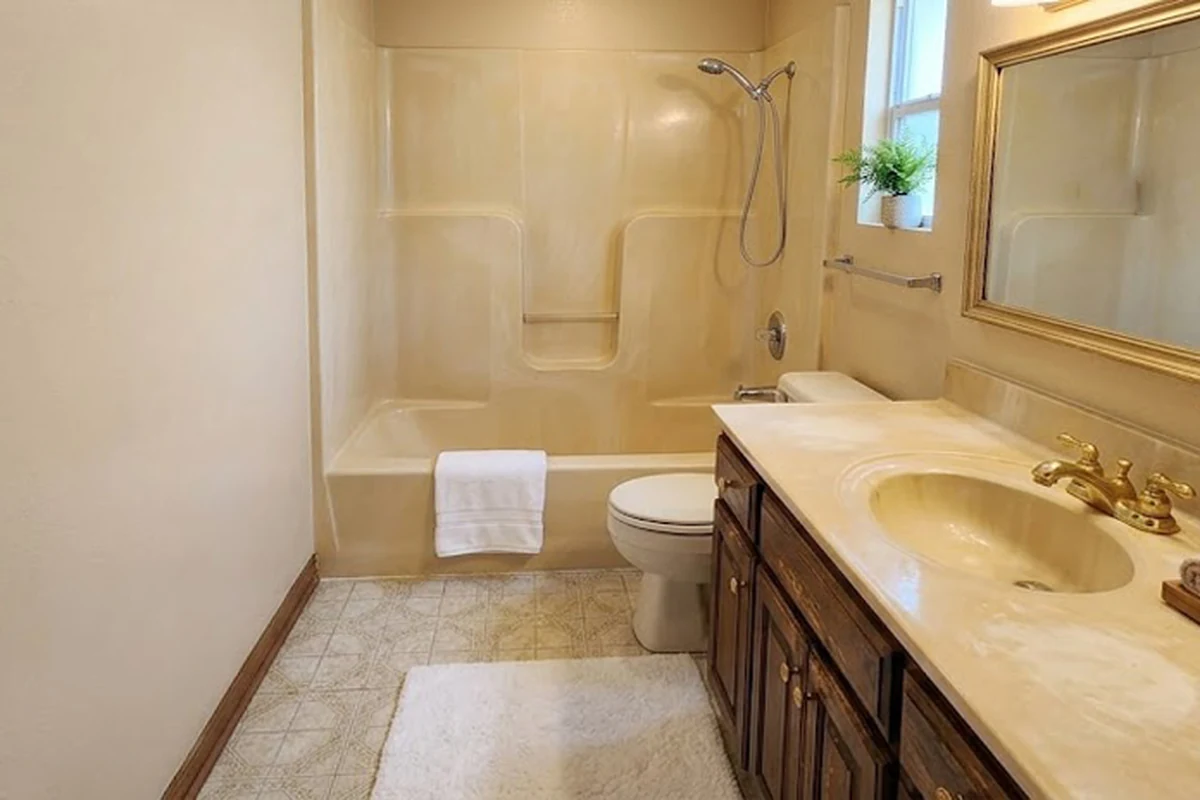
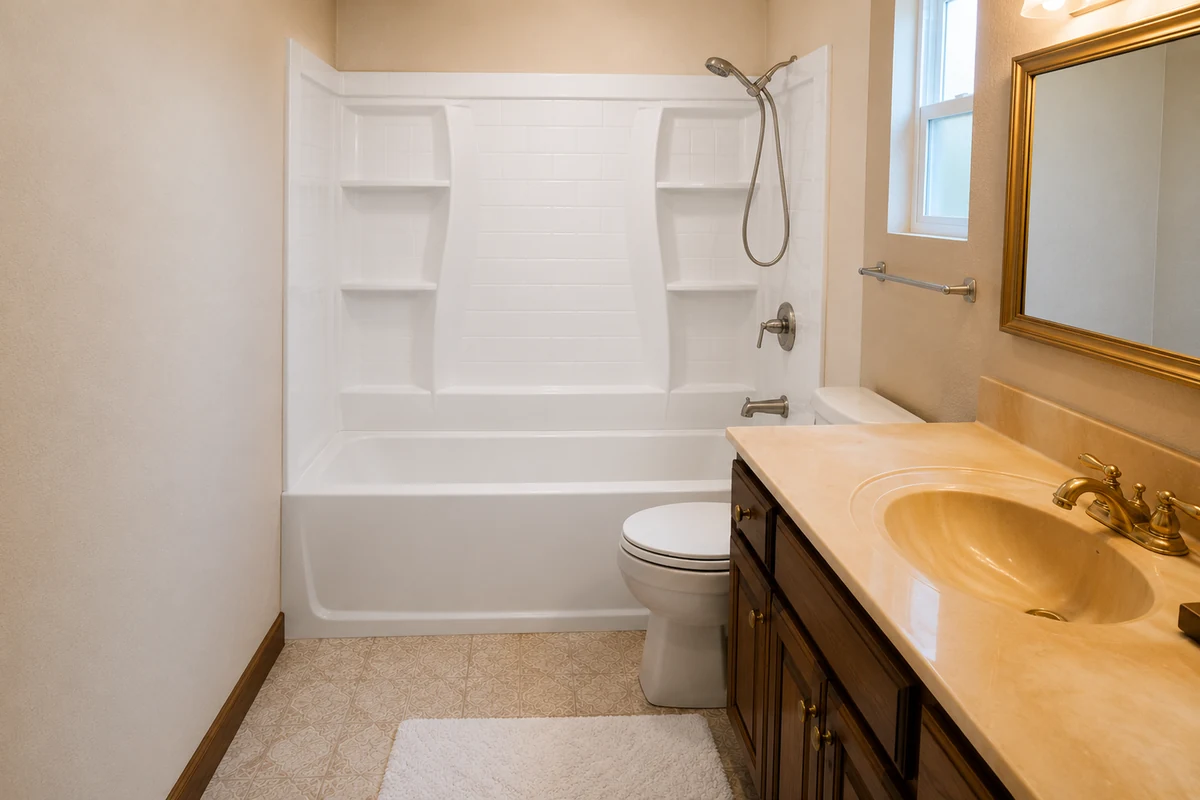
1.Mistake: Assuming a Tub Replacement Means a Full Remodel
If your bathtub is old, stained, cracked, hard to clean, or surrounded by outdated acrylic walls, you may not need a full bathroom remodel. In many homes, a simple tub replacement can update the bathroom while keeping the existing layout.
Some homeowners call this a tub-to-tub replacement or bathtub-to-bathtub replacement. The idea is simple. Remove the old bathtub, install a new bathtub in the same location, and avoid moving major plumbing rough-ins when possible.
This can save money because the toilet, vanity, flooring, drain location, and fixture rough-ins may stay where they are. Once plumbing rough-ins move, the project usually becomes more expensive. It may also involve more demolition, more inspections, more wall repair, and a longer schedule.
The mistake is asking for a small bathtub replacement but making decisions like it is a full bathroom remodel. If the rest of the bathroom still works, keeping the scope focused can protect the budget.
2.Mistake: Comparing Product Price Instead of Finished Cost
The cheapest-looking option on paper is not always the cheapest finished project. A basic acrylic tub surround may look affordable at first. But depending on how it installs, it can require drywall patching, texture matching, painting, and trim work after the surround is installed.
A basic acrylic surround often has a mounting lip or flange that fastens directly to wall framing. That means the drywall may need to be cut back so the surround can be screwed to the studs. After installation, the wall around the surround may need patching, texture matching, painting, and finish trim.
Once that extra work is included, the final cost can move closer to acrylic wall panels than homeowners expect. This does not mean acrylic surrounds are bad. It means they should be priced honestly as a finished project.
Before choosing the lowest material price, ask what happens to the walls around the surround. If patching, painting, and trim are needed, those items should be part of the tub replacement cost discussion from the beginning.
3.Mistake: Moving Plumbing When the Existing Layout Works
A bathtub replacement usually costs less when the new tub stays in the same location. This keeps the project simpler and avoids turning a small update into a full remodel.
The biggest savings usually come from keeping the plumbing rough-ins in place. Rough-ins are the drain, water lines, mixing valve, tub spout location, and other plumbing hidden inside the wall or floor.
If the drain lines up, the valve is still usable, and the wall framing is in good condition, the project can move much faster. If the drain needs to move, the valve needs replacement, or old water damage is found, the cost can increase.
Homeowners can often save by keeping these items in place:
- The bathtub location
- The drain location
- The fixture rough-in
- The toilet location
- The vanity location
- The bathroom door swing
- The main flooring layout
- The existing electrical layout
This does not mean nothing behind the wall should be checked. A contractor should still inspect the framing, drain, overflow, valve, and wall condition. The goal is not to hide problems. The goal is to avoid unnecessary layout changes when the existing layout already works.
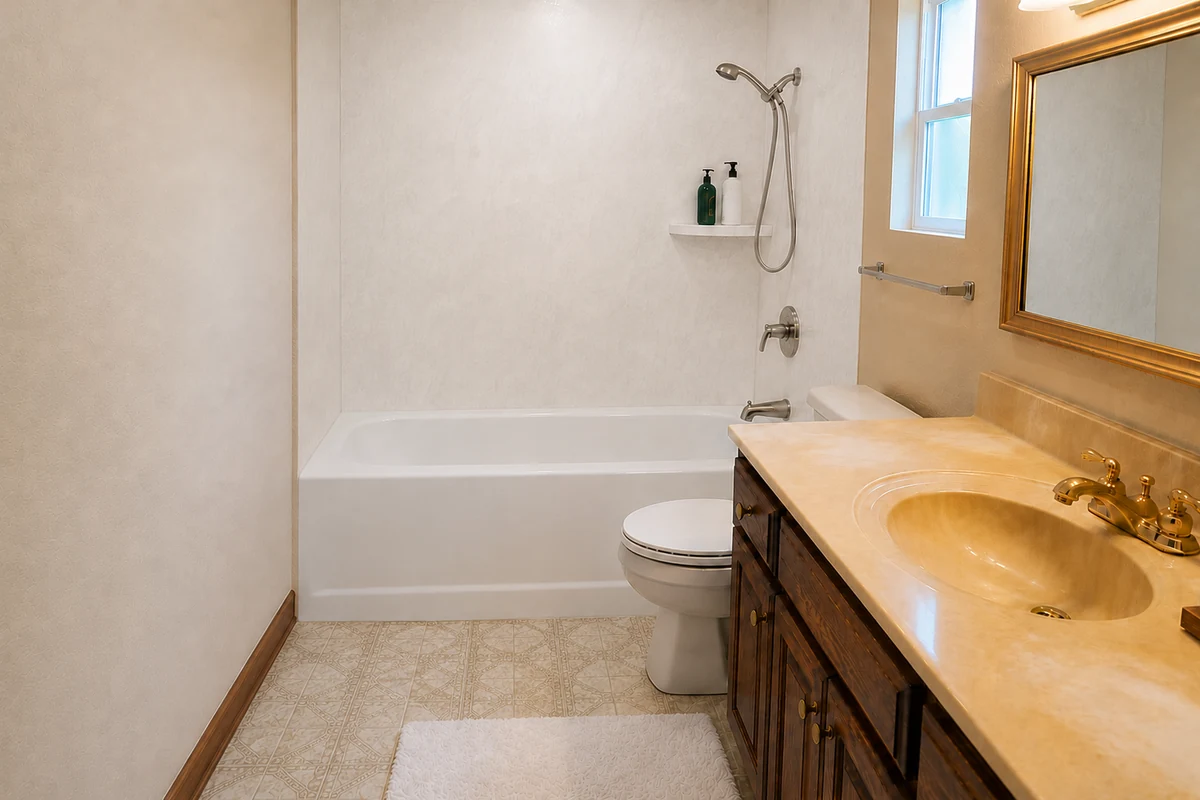
4.Mistake: Choosing the Wall System Too Late
Acrylic wall panels or solid wall panels can be a good middle option between a basic acrylic surround and a full tile surround.
In many bathrooms, wall panels can be installed with a reveal that extends past the bathtub edge. Depending on the system and layout, that reveal may cover about 2 to 3 inches of the wall transition area. When that works, it can reduce the amount of drywall patching and painting needed around the tub.
This does not mean acrylic panels are always cheaper. It means they should be compared against the full installed cost of a basic surround.
Panels can also give the tub area a cleaner look than some molded acrylic surrounds. They often have fewer lines, fewer built-in shelves, and a more finished appearance. They can also be easier to maintain than tile because there are fewer grout lines.
The mistake is choosing the tub first and waiting until later to decide how the walls will be finished. The wall system affects labor, repair work, waterproofing details, storage, schedule, and final appearance.
For homeowners who want a cleaner look but do not want the cost of tile, wall panels can make sense. They can update the wet area without turning the project into a high-end custom remodel.
5.Mistake: Treating Tile Like a Small Upgrade
Tile usually costs more than a basic acrylic surround or acrylic wall panels. That part is true. Tile takes more labor, more layout planning, more waterproofing, more setting materials, grout, trim, and finish work.
But tile can also change the whole feel of the bathroom. If the old tub and surround are already being removed, this may be the right time to upgrade the walls instead of installing another basic builder-grade surround.
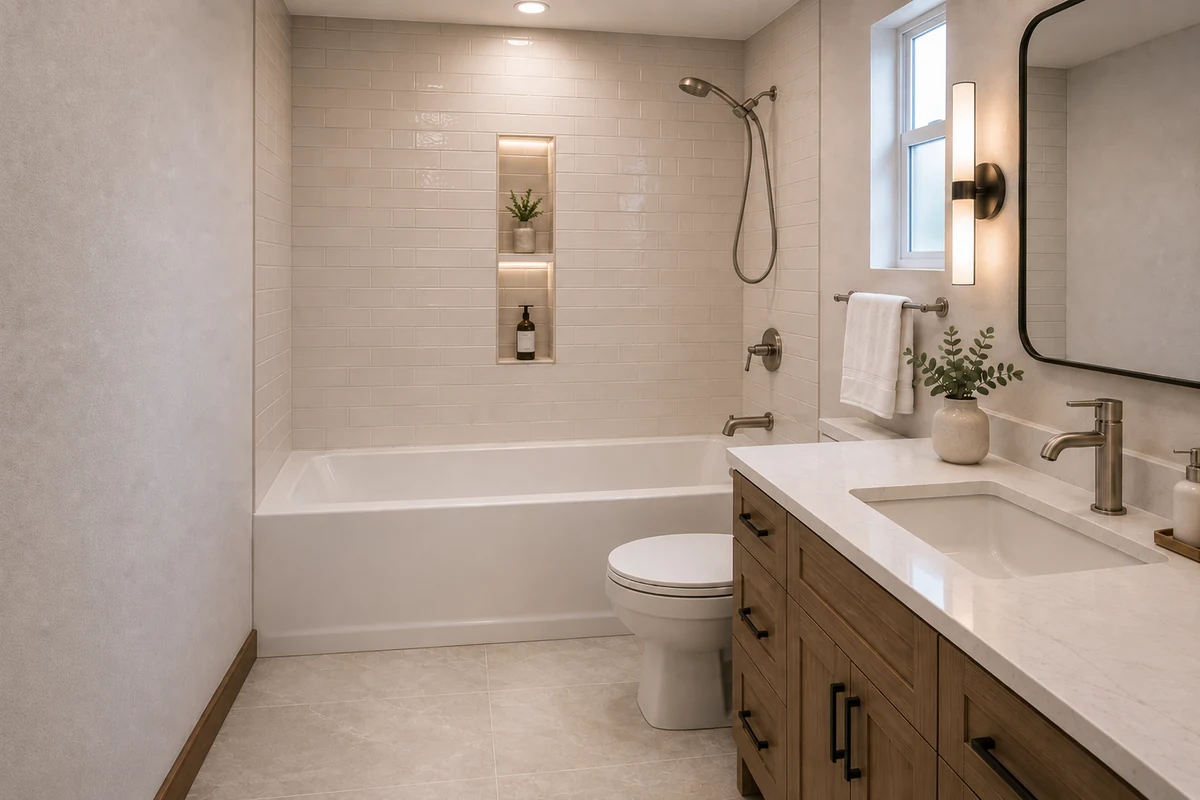
A tile tub surround gives you more control over the final look. You can choose the tile size, layout, grout color, trim style, niche size, accent details, and wall height. You can also create a custom niche that actually fits shampoo bottles and daily-use items.
Tile does not always create more physical space. But it can make the tub area feel cleaner, wider, and more finished. Removing a bulky molded surround and replacing it with a planned tile layout can make the bathroom feel more like a real remodel.
The mistake is approving tile without pricing the full system. Tile and grout are not the waterproofing system. They are the finished surface. The estimate should include approved waterproofing, tile labor, trim edges, grout, niche details, and finishing.
If you are considering tile, review our bathroom waterproofing systems guide before choosing materials.
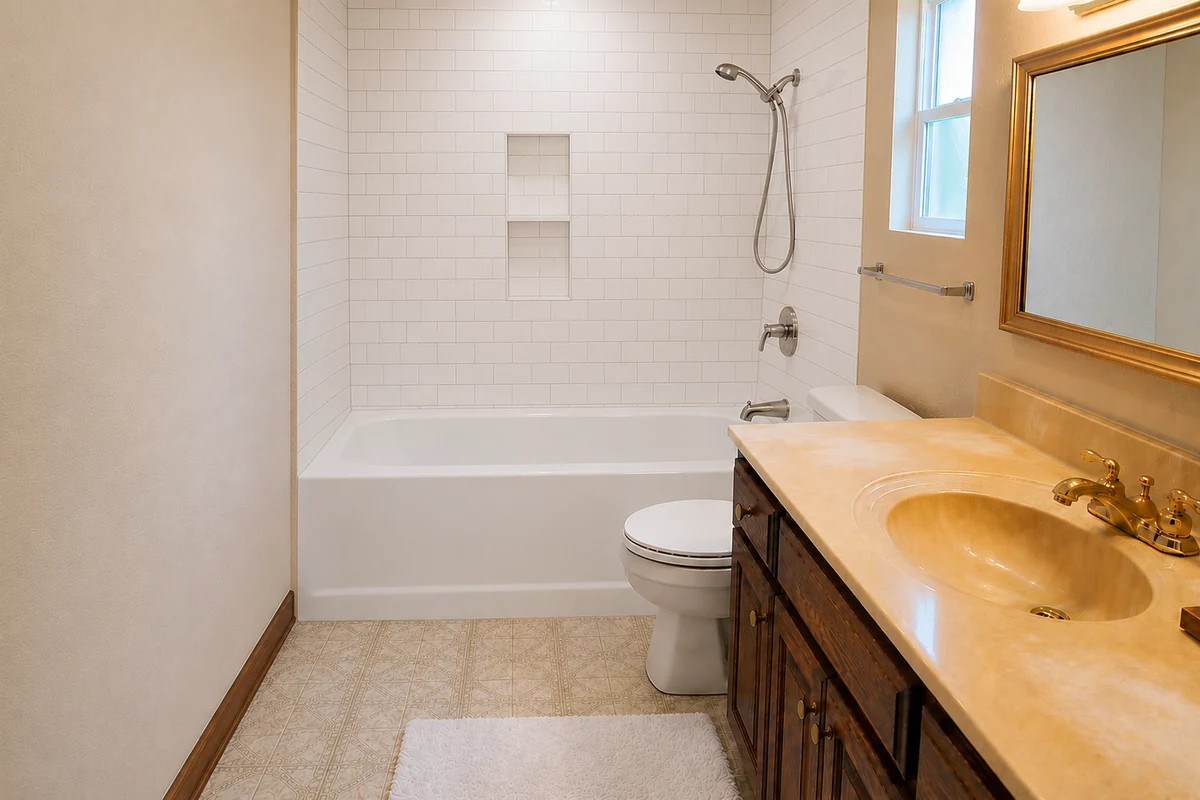
6.Mistake: Adding a Niche Without Planning the Wall System
Yes, a niche can often be added during bathtub replacement. It can be installed with tile surrounds and with many acrylic or solid wall panel systems.
The difference is how the niche is framed, waterproofed, and finished.
With tile, the niche can be sized around the tile layout. This helps grout lines line up better and makes the niche look intentional. A tile niche can be custom-sized for shampoo bottles, soap, razors, and other daily items.
With wall panels, the niche usually needs to work with the panel system. Some systems offer matching niche inserts. Others require more careful detailing. The goal is to keep the waterproofing clean and avoid weak points around the niche opening.
The mistake is treating a niche like a simple accessory. A niche affects framing, waterproofing, layout, and finish details. It should be planned before the walls are closed and before the final surround material is installed.
For tile layouts, plan the tile size, grout lines, niche size, and wall dimensions before ordering materials. A niche looks better when it is designed with the wall layout instead of being added after the layout is already set.
7.Mistake: Ignoring Hidden Repairs and Fixture Compatibility
A bathtub replacement can stay simple when the existing conditions are good. But old bathrooms often hide problems behind the wall or under the tub.
Common issues that increase cost include:
- The drain does not line up with the new tub.
- The old drain or overflow is corroded.
- The mixing valve is leaking or outdated.
- The existing fixture trim cannot be updated.
- The subfloor has water damage.
- The wall framing is damaged or out of square.
- The old tub is cast iron and harder to remove.
- The surround removal damages more drywall than expected.
- The homeowner adds tile instead of panels.
- A custom niche is added.
- The bathroom needs patching, texture matching, and painting.
Sometimes the existing rough-in valve is in good condition and compatible with newer trim from the same valve platform. In that case, the homeowner may be able to update the handle, trim plate, tub spout, and visible parts without replacing the full valve inside the wall.
But brand alone is not enough. The exact valve series matters. A contractor should not promise a trim-only update until the valve is confirmed. If the valve is old, damaged, leaking, or not compatible with modern trim, replacement may still be the better choice.
This is why a good estimate should explain what is included and what can change after demolition. A contractor cannot always see every hidden problem before the old tub is removed, but they should explain the likely cost drivers before work starts.
How to Save Money on Tub Replacement Without Making It Look Cheap
The best way to save money is not always choosing the cheapest material. It is choosing the right scope.
- Keep the new bathtub in the same location.
- Use a standard-size alcove tub when possible.
- Avoid moving the drain unless it is needed.
- Check if the existing fixture trim can be updated.
- Compare acrylic surround cost after patching and painting.
- Consider acrylic panels if they reduce wall repair.
- Use tile where the budget allows proper waterproofing.
- Plan the niche before choosing tile or panels.
- Choose simple fixtures instead of overcomplicated upgrades.
- Compare finished cost, not material cost only.
A smart tub replacement should improve the bathroom without creating unnecessary work. For some homeowners, that means a simple acrylic surround. For others, wall panels are the better value. For homeowners thinking about long-term use or resale, tile may be worth the extra cost.
The right answer depends on the bathroom, the condition of the walls, and the goal for the home.
FAQ: Tub Replacement Cost and Options
What is the cheapest way to replace a bathtub?
The cheapest way is usually to keep the bathtub in the same location, use a standard-size tub, avoid moving plumbing rough-ins, and choose a simple wall system. But the cheapest material is not always the cheapest finished project if it requires extra patching and painting.
Is an acrylic tub surround cheaper than wall panels?
Sometimes yes, but not always after labor is included. Some acrylic surrounds fasten to wall framing and may require drywall patching and painting. Acrylic wall panels can sometimes cover more of the wall transition and reduce finishing work.
Is tile worth it for a bathtub replacement?
Tile can be worth it if you want the bathroom to look more updated and complete. It costs more than basic acrylic, but it gives more design options, allows custom niches, and can improve resale appeal. It makes the most sense when the tub area is already being opened for replacement.
Can I replace a bathtub without changing plumbing?
Often yes, if the new tub matches the old drain location and the existing plumbing is in good condition. If the drain, valve, or supply lines need to move, the cost usually increases.
Can I update my tub fixture trim without replacing the valve?
Sometimes. If the existing valve is compatible with newer trim from the same valve platform, the trim may be updated without changing the rough-in plumbing. The valve should be identified before ordering parts.
Can you add a niche during bathtub replacement?
Yes. Niches can be added with tile surrounds and many panel systems, but the framing and waterproofing need to be planned before installation.
When does tub replacement become a full bathroom remodel?
It starts becoming a remodel when the project includes moving plumbing, changing the layout, replacing flooring, moving the vanity, changing electrical, or rebuilding large wall areas.
Final Thought: Compare the Finished Cost, Not Just the Product
Tub replacement can be a smart way to update a bathroom without paying for a full remodel. But the best choice is not always the cheapest-looking product.
A basic acrylic surround may need patching and painting. Acrylic wall panels may cost more upfront but reduce finish work. Tile costs more, but it can give the bathroom a better look, custom niche options, and stronger resale appeal.
The best approach is to compare the full scope. Look at the tub, surround, wall repair, plumbing rough-ins, trim updates, waterproofing, niche options, and finished appearance.
If you are already opening the tub area, it may be worth spending a little more in the right place instead of paying later to redo the same area again.
For bathtub replacement or bathroom remodeling in Canton, North Canton, Plain Township, Jackson Township, Massillon, and nearby Northeast Ohio areas, Bezruchuk Remodeling can help you review the options and choose the right scope for your home.
Request a remodeling quote to talk through your bathtub replacement options.